Skip to content

A new look at the Earth’s sky through the eyes of a radio telescope

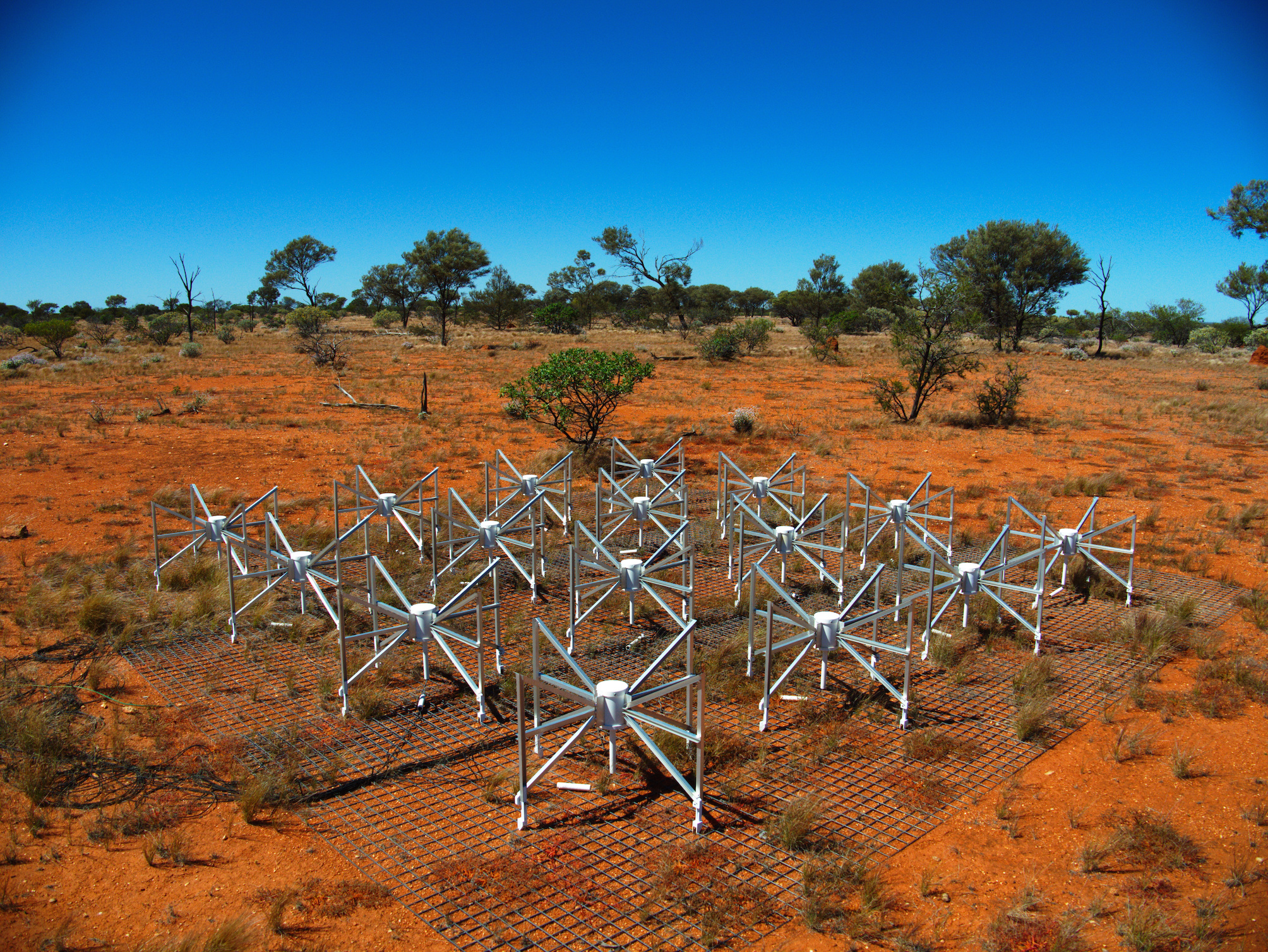
Radio astronomers are gearing up for a new generation of radio telescopes that will be based on radically new design concepts: a wide field of view and a high-fidelity snapshot capability. One such instrument is the Murchison Widefield Array (MWA), a radio telescope in the Australian outback. If such an instrument were to be built at high latitudes, it could provide a radio telescope’s view of auroral activity that could be used to forge a better understanding of what happens to plasma near the Earth during an auroral display.
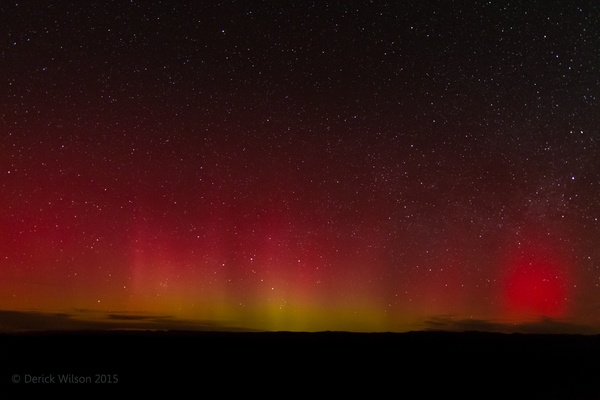
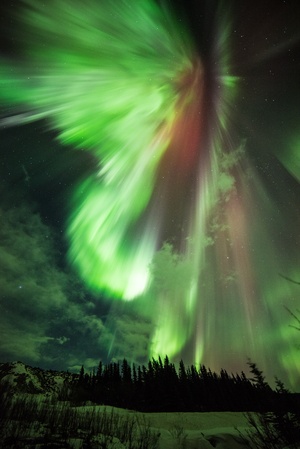
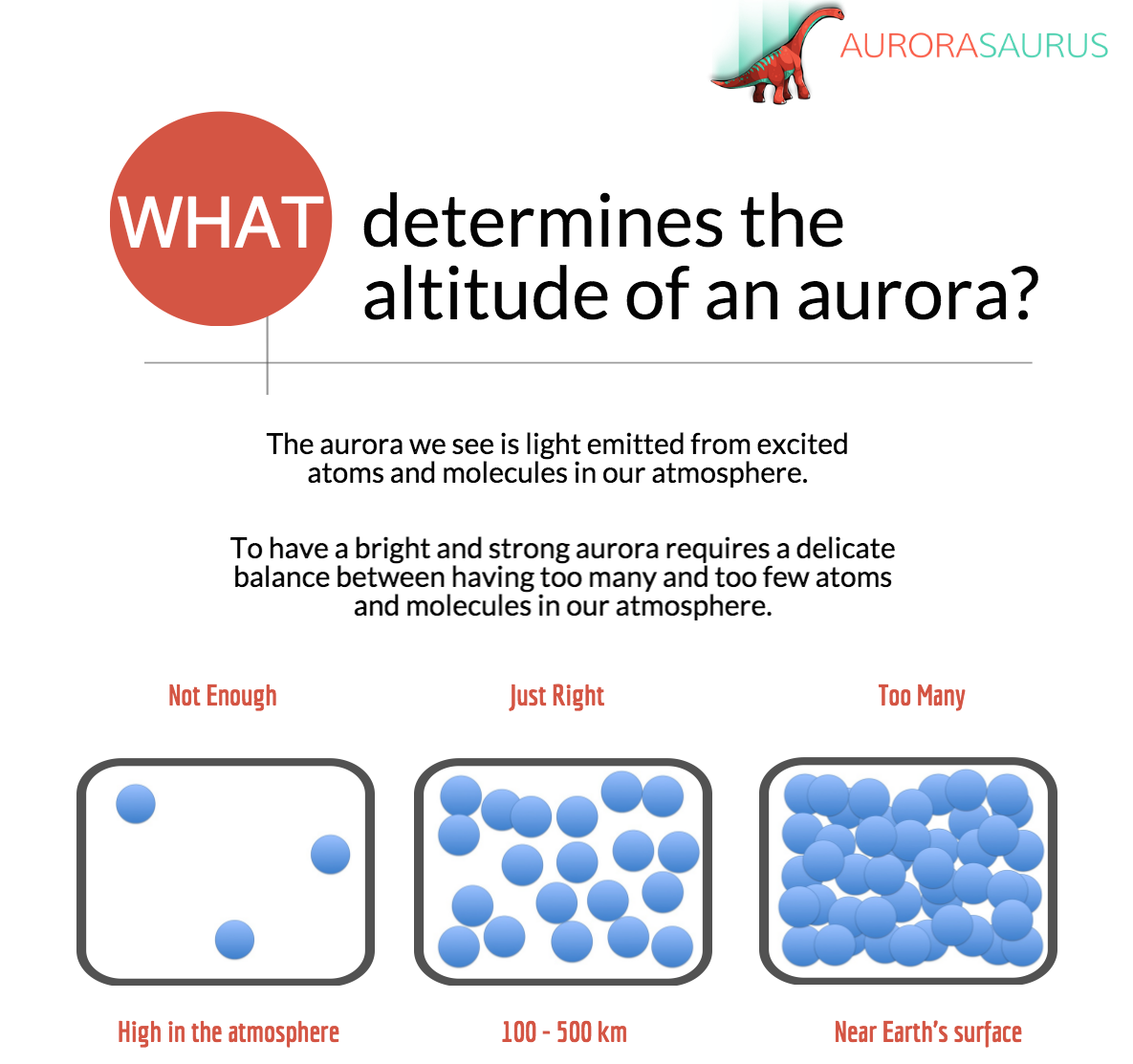
INFOGRAPHIC: What determines the altitude of an aurora?

Ever wonder how high an aurora occurs? Yeah, it is up there… like the clouds… or airplanes. But do you have any idea how high? Take a look at this infographic, third in a five part series, and find out what determines the altitude of an aurora. (Hint: It is surprisingly high!)

Aurorasaurus Tracks St. Patrick’s Day storm on Social Media

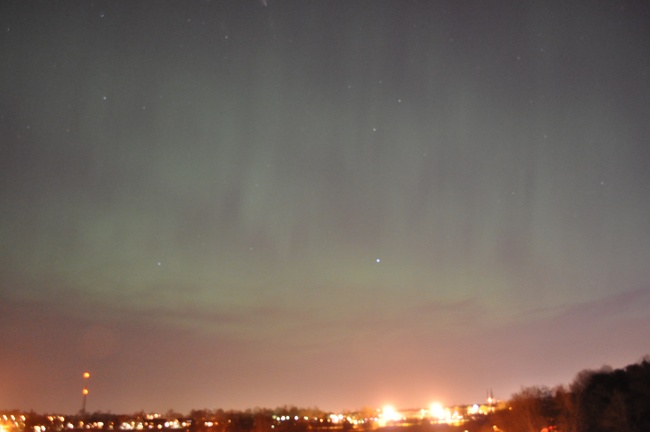
Please note that this is a legacy post and links may be outdated.  By Nathan Case and Kasha Patel On Tuesday, March 17, 2015, as people adorned themselves with green clothing and infused their livers with green beer, Earth was experiencing the biggest geomagnetic storm of the last decade—leading to beautiful, widespread aurora around world.… Read More »Aurorasaurus Tracks St. Patrick’s Day storm on Social Media

An “Awesomely Good” Aurora

By Meghan Mella In Swedish there is a phrase “himla bra” that basically means “awesomely good.” The word himla literally translates to sky or heaven, and I have to think this phrase came about from Swedes staring at the sky, admiring the goodness of the northern lights. I have been waiting and occasionally watching for… Read More »An “Awesomely Good” Aurora