Protected: Multiple Intelligences and Participatory Science
There is no excerpt because this is a protected post.
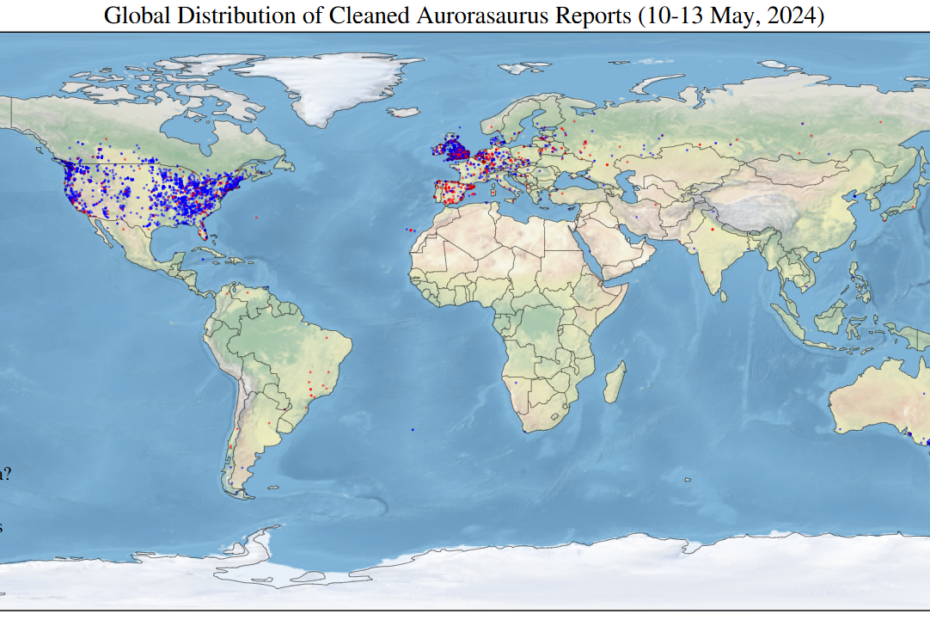
First, thank you for being part of the Aurorasaurus community. Every observation you have shared has helped build something remarkable. We’re excited to announce the release of more than a decade of Aurorasaurus citizen science data. To make this resource as useful as possible, Dr. Liz MacDonald and post-bachelor researcher Feras Natsheh have further refined… Read More »A solar cycle of data: Aurorasaurus reports 2014-2025
by Tanya Melnik and Laura Edson The aurora follows a “life cycle” called a substorm. We know the feeling of waiting for the most dynamic part of the substorm to light the sky with green and red ribbons, but sometimes it seems to take forever. In this post we’ll go over a couple of reasons… Read More »Staying cool with aurora science
By Laura Edson, MAT in Museum Education When I first joined Aurorasaurus six years ago, I had a steep learning curve ahead of me. I’d struggled with algebra and calculus in high school, I hadn’t touched physics for 15 years, and words like “magnetohydrodynamics” were pretty intimidating. I was able to learn because Dr. Liz… Read More »Making auroras understandable
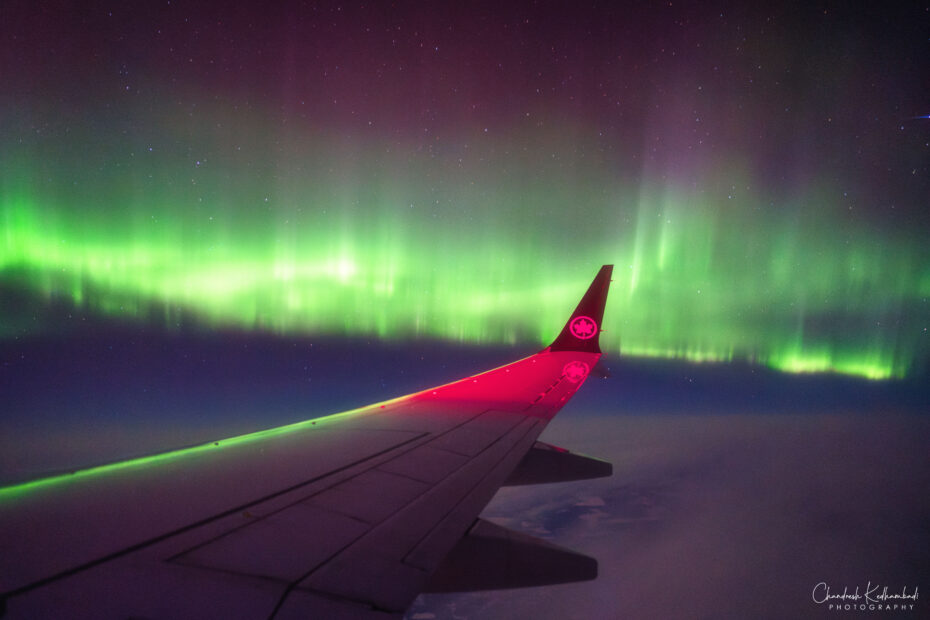
Guest post by Chandresh “C.K.” Kedhambadi More and more we are asked, “how do I take photos if I can’t go outside?” There are a host of reasons it might be more comfortable to enjoy the aurora through a window, and even some situations where it’s an advantage: for example, flying above the clouds. With… Read More »Chasing the Aurora Home – Photographing the Northern Lights from 35,000 Feet
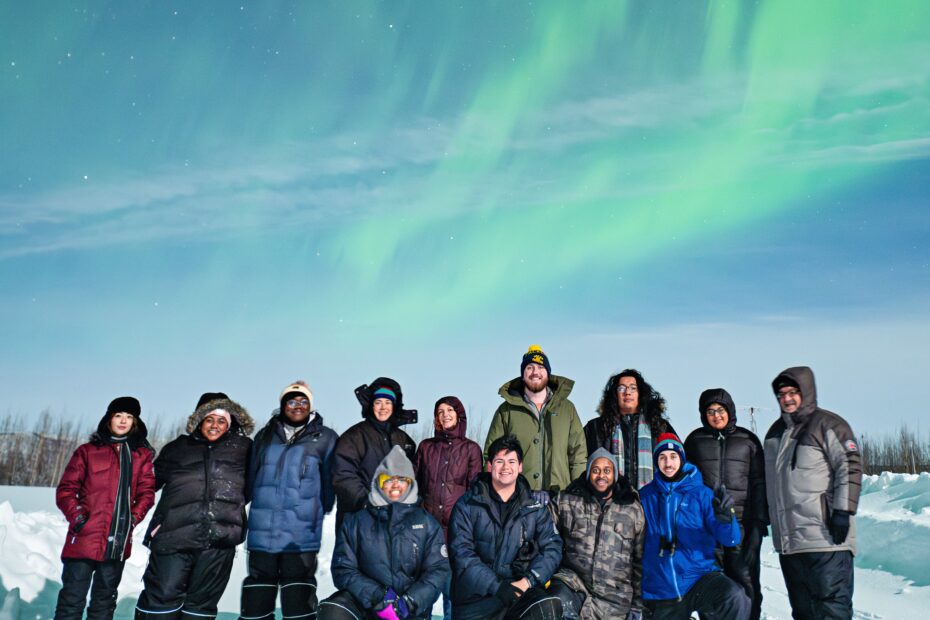
Winter Field School—a culminating experience within the Eclipse Ambassadors program—was a transformative experience for participants, but the learning didn’t stop when they flew home from Alaska. A core tenet of learning to be a scientist is learning to share that science with the public. We conclude this blog post series by showcasing a few of… Read More »Winter Field School Alumni Bring Heliophysics Home
Have you ever wondered how scientists get data to learn about aurora? One way is by sending scientific “sounding rockets” into the Earth’s upper atmosphere to take measurements. One location from which these instruments are launched is Poker Flat Research Range in Fairbanks, Alaska, part of the University of Alaska Fairbanks Geophysical Institute. Nine undergraduate… Read More »Science in Action: Visiting Poker Flat Research Range
With graduation season underway, we’re reflecting on the insights and experiences we would share with this year’s newly minted professionals. We’re finding ourselves inspired by the nine undergraduate and graduate students who attended the Eclipses to Aurora: Winter Field School at the University of Alaska Fairbanks. How did this experience cause them to reflect on… Read More »Poetic Wisdom From Winter Field School
This post is the second in our series on the recent Winter Field School. You can read the first post here. The aurora is an awe-inspiring phenomenon that captures the imagination and fascination of people across the world. As a common interest, it brings together many different kinds of experience and expertise. Likewise, Winter Field… Read More »Dreams fulfilled and galactic marvels unlocked as the aurora brings people together
For many across the world, seeing the aurora is a life goal, something for the bucket list. Realizing the dream of a successful aurora chase can be an awe-inspiring, profound experience. If you’ve seen the aurora, do you remember how you felt the first time you saw it dance? You’re not alone. In early January,… Read More »Warmth and awe: Winter Field School students on seeing the aurora for the first time