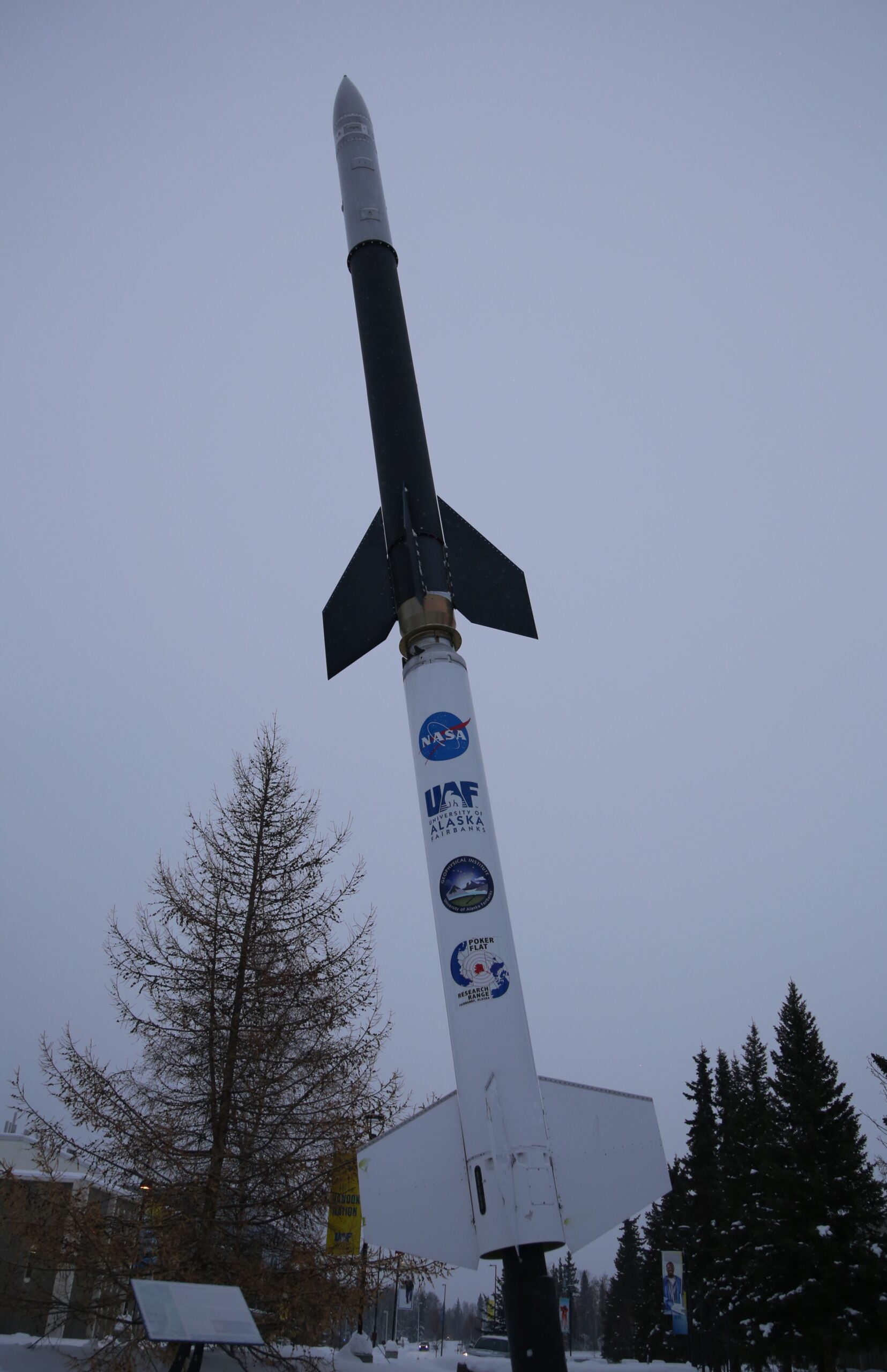
Have you ever wondered how scientists get data to learn about aurora? One way is by sending scientific “sounding rockets” into the Earth’s upper atmosphere to take measurements. One location from which these instruments are launched is Poker Flat Research Range in Fairbanks, Alaska, part of the University of Alaska Fairbanks Geophysical Institute. Nine undergraduate and graduate Eclipse Ambassadors visited Poker Flat in January 2025 as part of Eclipses to Aurora: Winter Field School at the University of Alaska Fairbanks. There, they met with scientists, engineers, and Range personnel as they took part in a hands-on learning experience.
As one of their assignments, participants crafted “epiphany essays” describing their learning. We continue this blog post series by highlighting their deep thoughts and reflections on visiting Poker Flat for the first time. Want to experience PFRR for yourself? If you’re in Alaska, you can attend a summer tour through September 4.
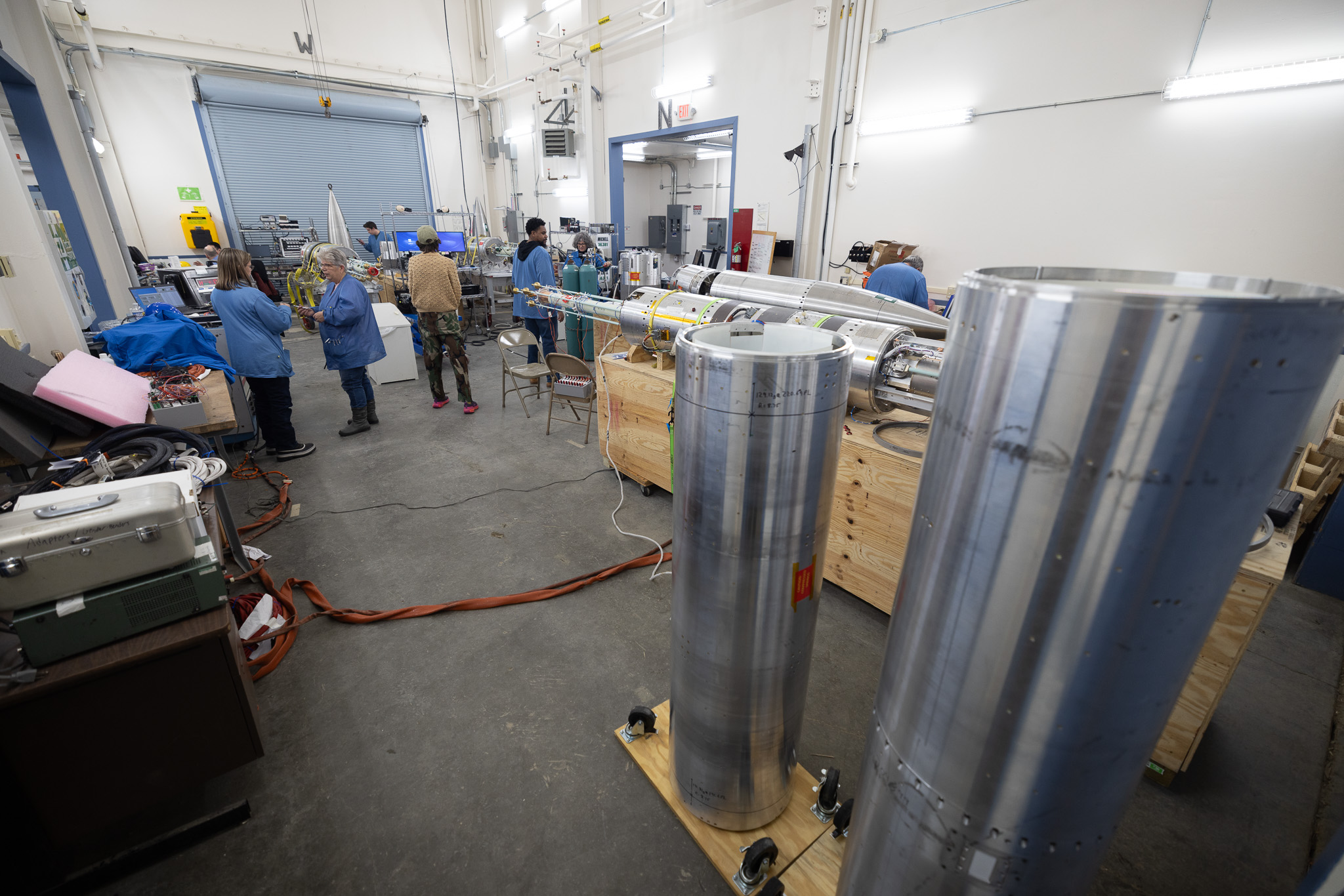
Visiting Fairbanks for the Winter Field School, we were very excited to bring the students to Poker Flat to see science in action at a research facility and rocket range. The students felt welcomed by the multidisciplinary team that was preparing rockets for launch, and that feeling continued as we returned and observed aurora at the T. Neil Davis Optical Science Operations Center. Students enjoyed an introduction by Dr. Don Hampton, saw scientists and engineer teams at work on rockets to study pulsating and diffuse aurora, met a grad student testing her instruments, and went to the University of Alaska Fairbanks Lidar Research Laboratory to learn about their research. The Range is staffed by dedicated personnel like the rocket range director, Kathe Rich as well as personnel from NASA Goddard’s Wallops Flight Facility in Virginia. We braved the cold to see the rocket pads—from which rockets would be launched in just a few weeks—and the blockhouse from which the rocket team monitors rockets and their payloads, communicates with mission/range personnel, contractors, and space, aviation and weather agencies, and controls the launches. In the Science Observation Center (SOC), we were able to observe aurora outdoors and indoors, while checking the space weather data like rocket scientists.
Being at Poker reminded me of my own graduate student rocket experience, where I met fellow graduate student Dr. Marilia Samara, now the Principal Investigator (PI) leading the Black and Diffuse Aurora Science Surveyor rocket and leading the investigation with her own grad students. Another rocket friend and colleague from my grad student days is Dr. Robert Michell, PI of the GIRAFF mission, which launched earlier this year, after our visit.
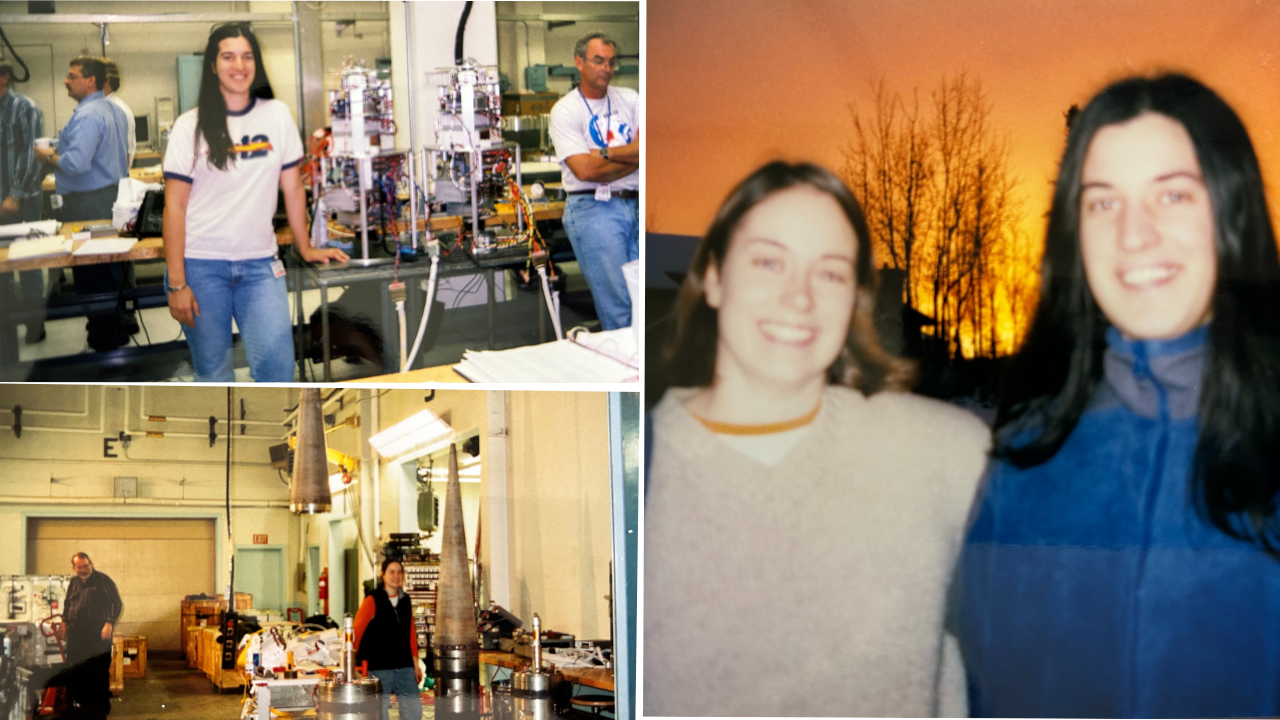
Working on rockets like these prepares students to become experiment leaders in their own right for larger missions like satellites. For the Winter Field School students it also illustrated how teams work and the multitude of expertise necessary to work together to reach space and further our understanding.
—Dr. Liz

At Poker Flat Research Range, which is the world’s only scientific rocket launching facility owned by a university, we learned about sounding rockets, lasers, and watched our first Aurora dance across the night sky while taking data with the magnetometer.
—Christy

Throughout the week, the program kept surprising me. Visiting Poker Flat Research Range was a highlight. It reminded me of my first time stepping into Johnson Space Center during my NCAS experience. Just like then, I felt inspired by the possibilities of what we could learn and achieve when we push the boundaries of exploration. Seeing the work being done at Poker Flat gave me a new appreciation for the science behind auroras and the effort it takes to understand our universe.
—Khalid
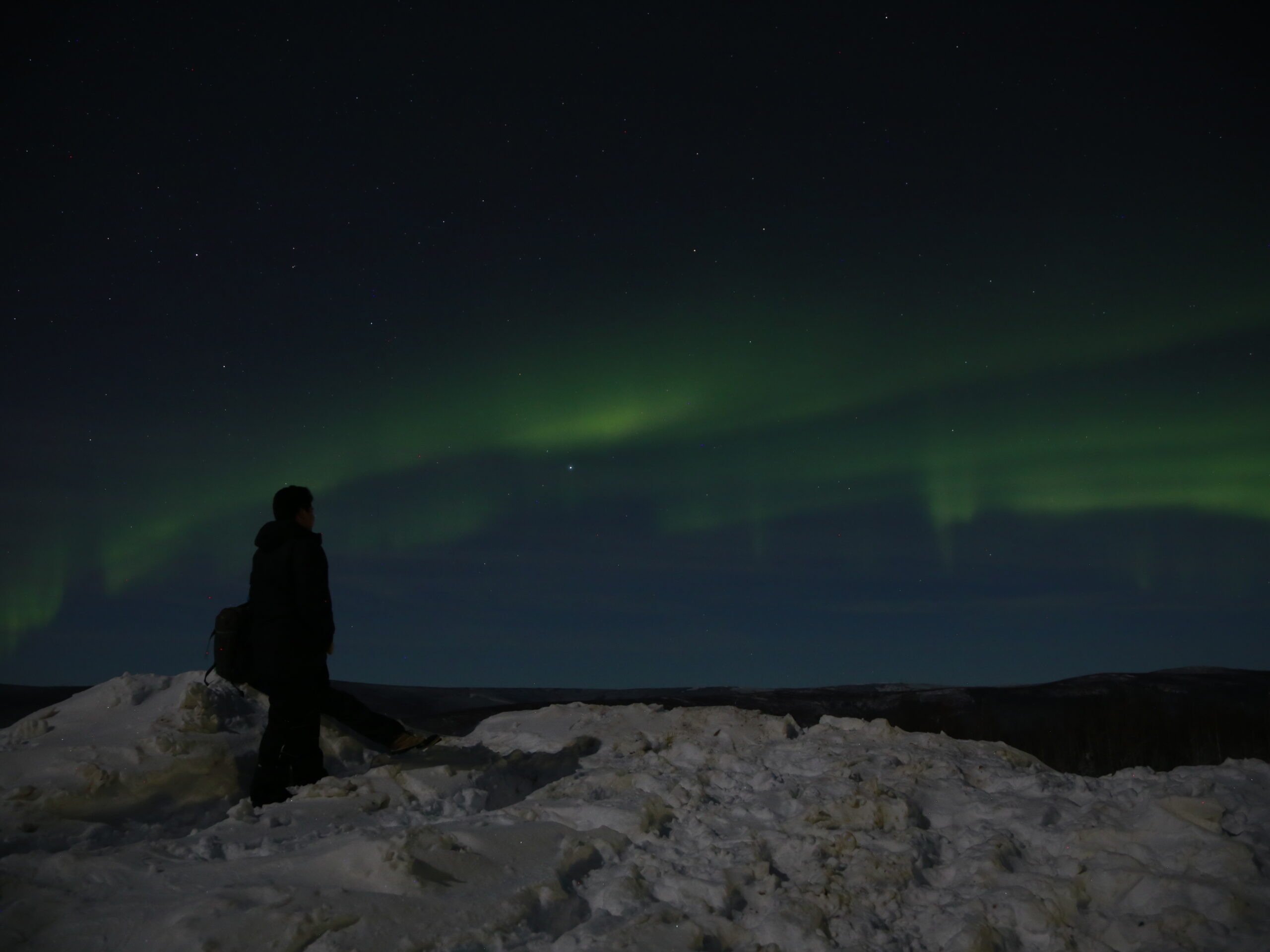
On January 8, 2025, at the T. Neil Davis Optical Science Operations Center, Poker Flat Research Range, just before midnight, I looked up and felt the sky fall down on us. The aurora was mesmerizing, it sent shivers down my spine and my eyes grew wet—not with tears, but from the biting cold wind….I felt a nostalgic rush of adrenaline. “You don’t feel like this every day,” I thought to myself. That rush took me down memory lane, as fleeting memories flashed before my eyes. The adrenaline felt like the thrill I experienced as a child, sneaking out after family gatherings to play soccer with my cousins, or the thrill of spotting my first shooting star from my backyard.
—Feras
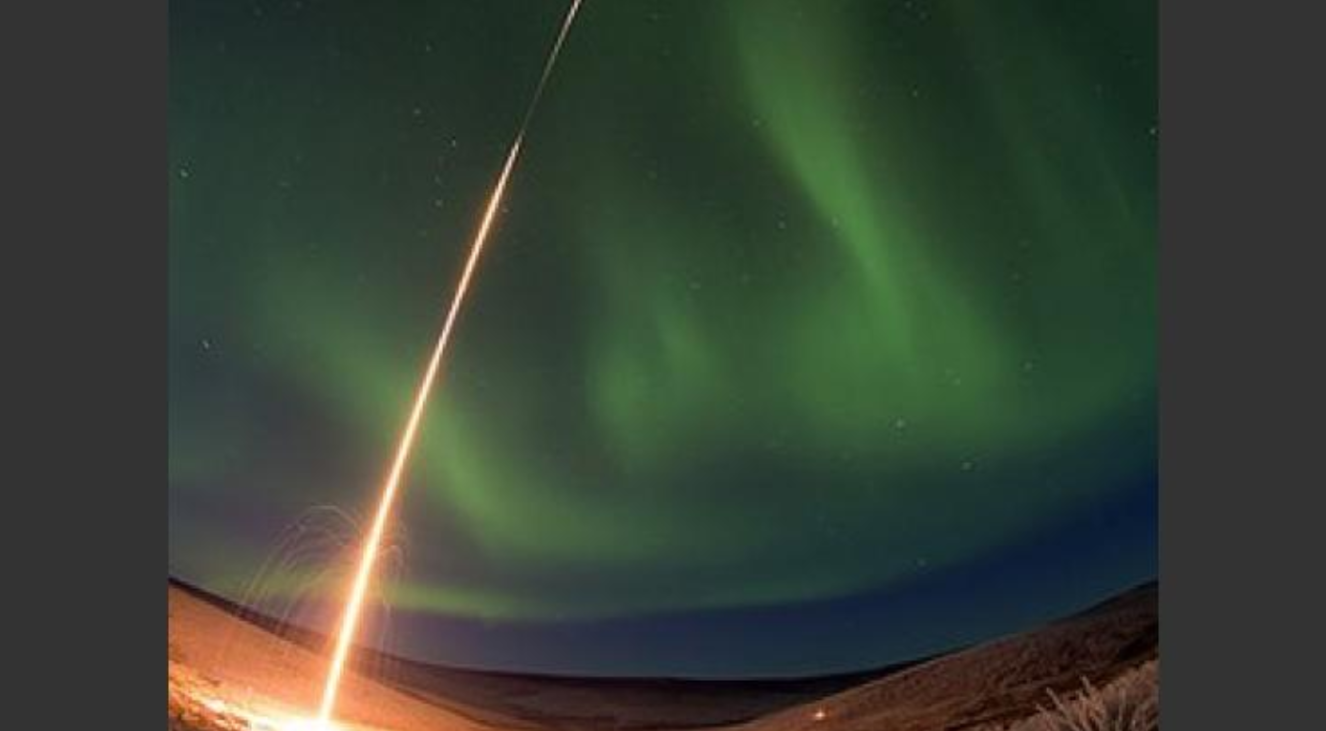
Our tour of the launch control room at Poker Flat was a literal manifestation of the concept of belonging—individuals coming together in a single room, surrounded by screens, electronics, and radios, all working in concert to launch a rocket. The task itself may seem simple, but the complexities are immense. It serves as a poetic reminder that our most significant endeavors often rely on the support of others. We work together toward a common goal, and when we reach that final, pivotal moment, the culmination of brainstorming, sleepless nights, stress, joy, and hard work results in something remarkable. The rockets, poised on the launch pad, ready to ascend in a pillar of flame, symbolize more than just engineering or mathematics. They represent our shared curiosity and determination, coming together in one moment, under immense pressure, to achieve something extraordinary.
—Jeffrey
These students remind us why we do science: to discover, innovate, protect, and inspire. We hope you enjoyed these portraits of their experiences. In the meantime, stay tuned for more from Winter Field School students!
The Winter Field School was a supplement to the Eclipse Ambassadors program, and was led by Aurorasaurus and the Astronomical Society of the Pacific.


