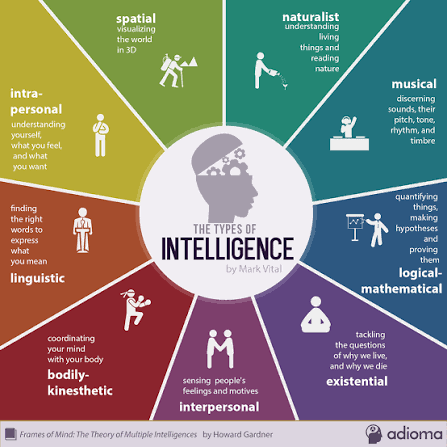
Protected: Multiple Intelligences and Participatory Science
There is no excerpt because this is a protected post.
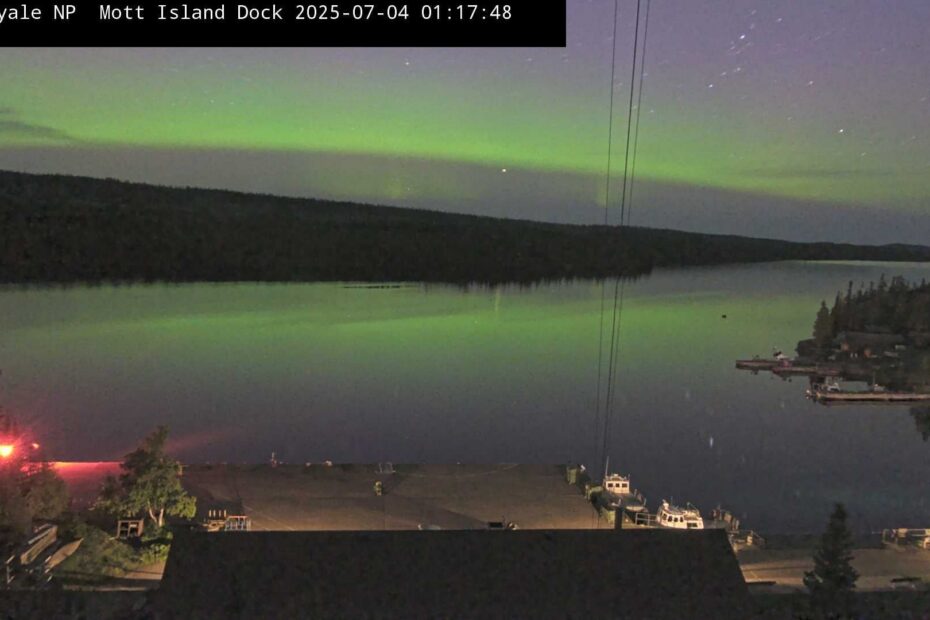
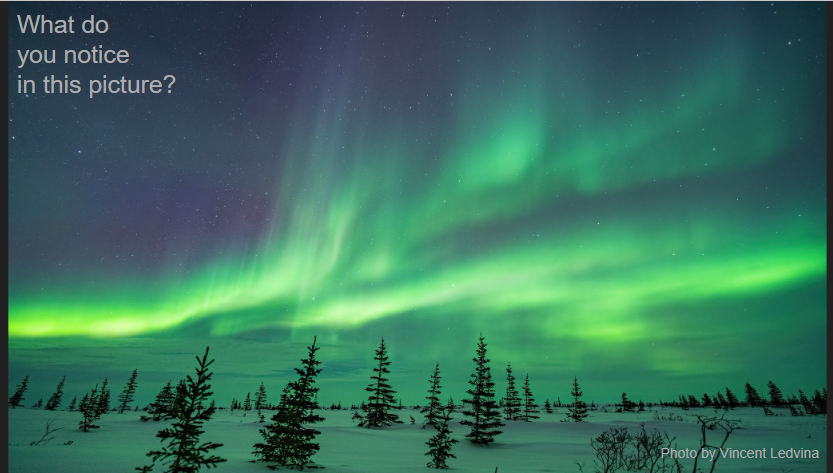
by Tanya Melnik and Laura Edson The aurora follows a “life cycle” called a substorm. We know the feeling of waiting for the most dynamic part of the substorm to light the sky with green and red ribbons, but sometimes it seems to take forever. In this post we’ll go over a couple of reasons… Read More »Staying cool with aurora science
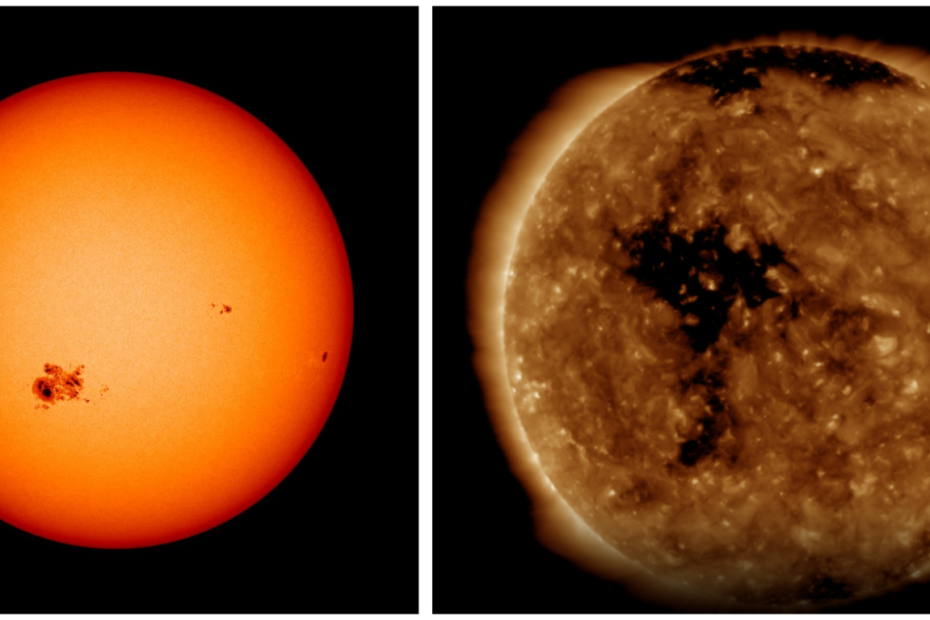
While the Sun appears constant, in terms of heliophysics the Sun varies naturally and goes through significant daily variations. With solar maximum in the recent past, a common question about auroras is: are they caused by sunspots? As with a lot of aurora science, the answer is somewhat complicated, and includes several phenomena that are… Read More »How are sunspots related to auroras?
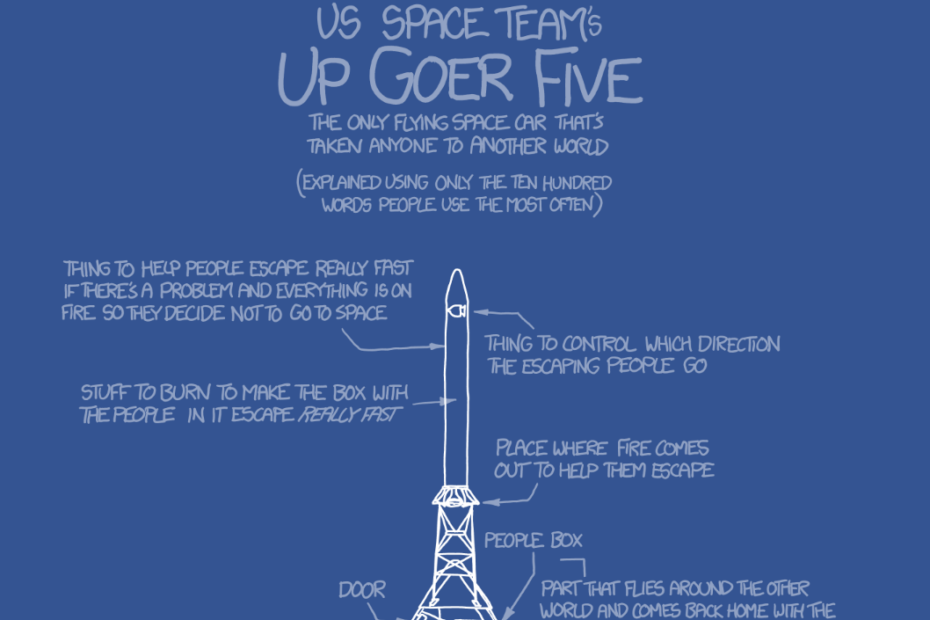
By Laura Edson, MAT in Museum Education When I first joined Aurorasaurus six years ago, I had a steep learning curve ahead of me. I’d struggled with algebra and calculus in high school, I hadn’t touched physics for 15 years, and words like “magnetohydrodynamics” were pretty intimidating. I was able to learn because Dr. Liz… Read More »Making auroras understandable
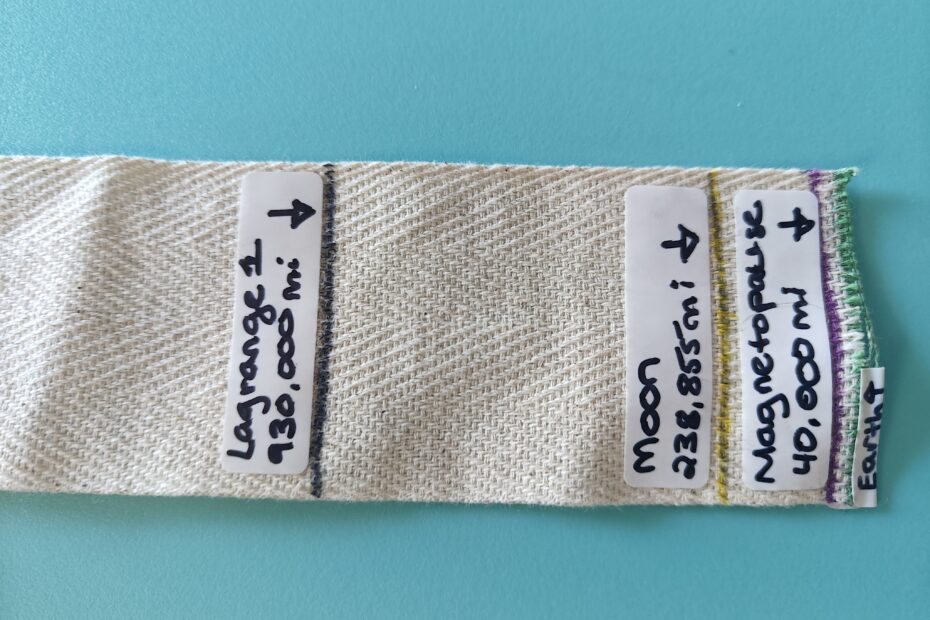
by Laura Edson, MAT in Museum Education A question we have received more and more at Aurorasaurus is, “Do you have any suggestions for presenting auroras to the public?” The aurora is a really fun topic to share; it is instantly engaging and technically challenging, artistically beautiful and scientifically fascinating. But it can also be… Read More »Presenting Auroras: Three Lessons from Museum Education
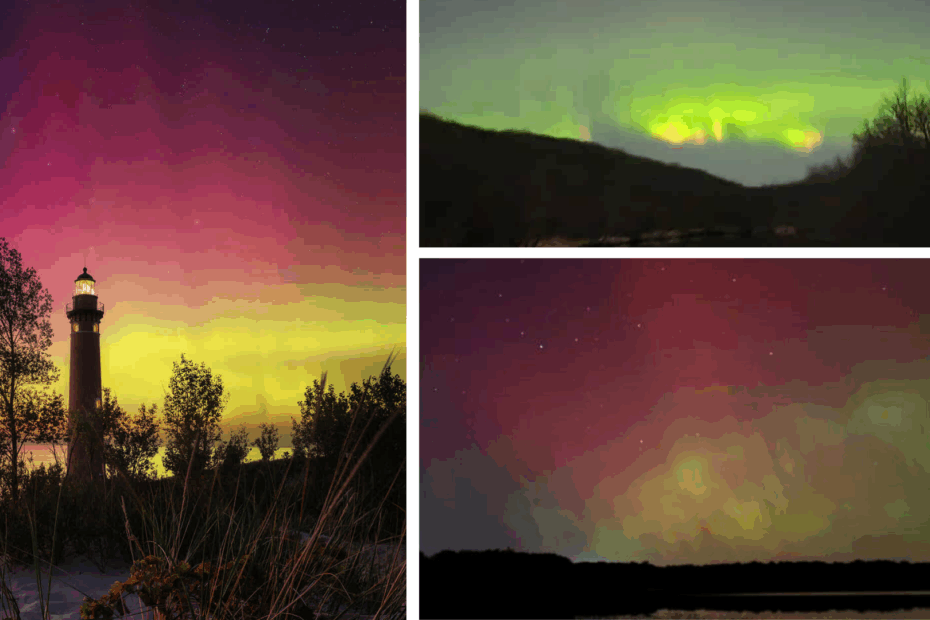
Auroras are made when particles bump into atoms and molecules in the Earth’s upper atmosphere, giving them energy. The atoms and molecules then give off that energy as light in specific colors: red, green, blue, and pink. But why on rare occasions do auroras seem to have yellow, cyan, or purple in them? In this… Read More »Why do auroras sometimes look yellow?
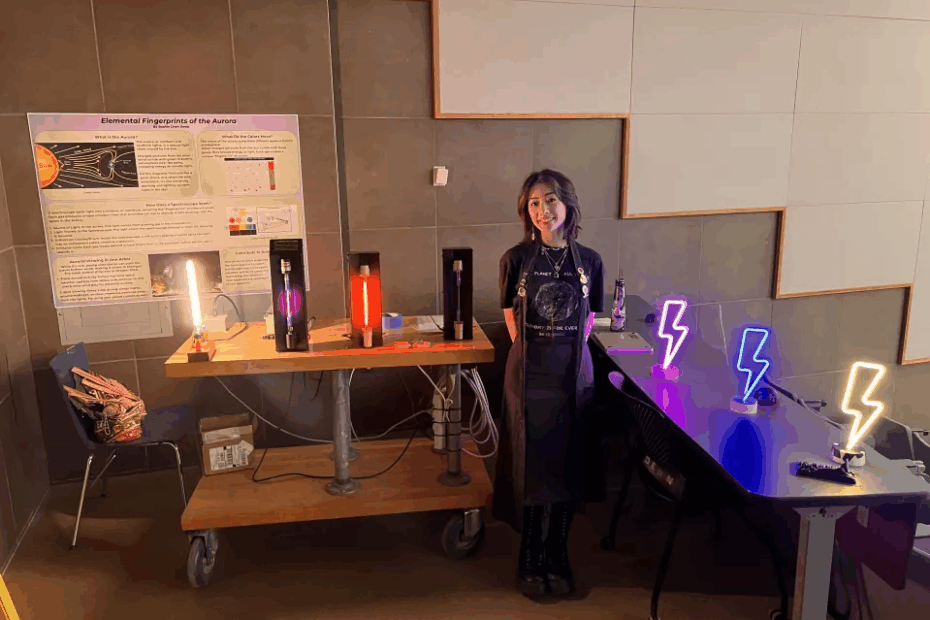
Winter Field School—a culminating experience within the Eclipse Ambassadors program—was a transformative experience for participants, but the learning didn’t stop when they flew home from Alaska. A core tenet of learning to be a scientist is learning to share that science with the public. We conclude this blog post series by showcasing a few of… Read More »Winter Field School Alumni Bring Heliophysics Home
Have you ever wondered how scientists get data to learn about aurora? One way is by sending scientific “sounding rockets” into the Earth’s upper atmosphere to take measurements. One location from which these instruments are launched is Poker Flat Research Range in Fairbanks, Alaska, part of the University of Alaska Fairbanks Geophysical Institute. Nine undergraduate… Read More »Science in Action: Visiting Poker Flat Research Range
With graduation season underway, we’re reflecting on the insights and experiences we would share with this year’s newly minted professionals. We’re finding ourselves inspired by the nine undergraduate and graduate students who attended the Eclipses to Aurora: Winter Field School at the University of Alaska Fairbanks. How did this experience cause them to reflect on… Read More »Poetic Wisdom From Winter Field School
This post is the second in our series on the recent Winter Field School. You can read the first post here. The aurora is an awe-inspiring phenomenon that captures the imagination and fascination of people across the world. As a common interest, it brings together many different kinds of experience and expertise. Likewise, Winter Field… Read More »Dreams fulfilled and galactic marvels unlocked as the aurora brings people together