Solar Cycle 25 is Coming: What You Need to Know!
Guest post by Vincent Ledvina
Each year, Goddard Space Flight Center holds a collegial poster party for scientists and engineers to showcase their ongoing research. One of the award categories is “Best Science as Food.” What better opportunity to try ideas for hands-on education? Aurorasaurus and our colleagues Dr. Anne-Marie Novo-Gradac and Dr. Kevin Novo-Gradac decided to represent the Heliophysics department by coming up… Read More »Nerdy Science Recipes for Your Next Party!
What are those dark spots on the sun? Coronal holes! In this repost, guest blogger Michael Kirk explains what a coronal hole is and tells us about current and upcoming research into the field.
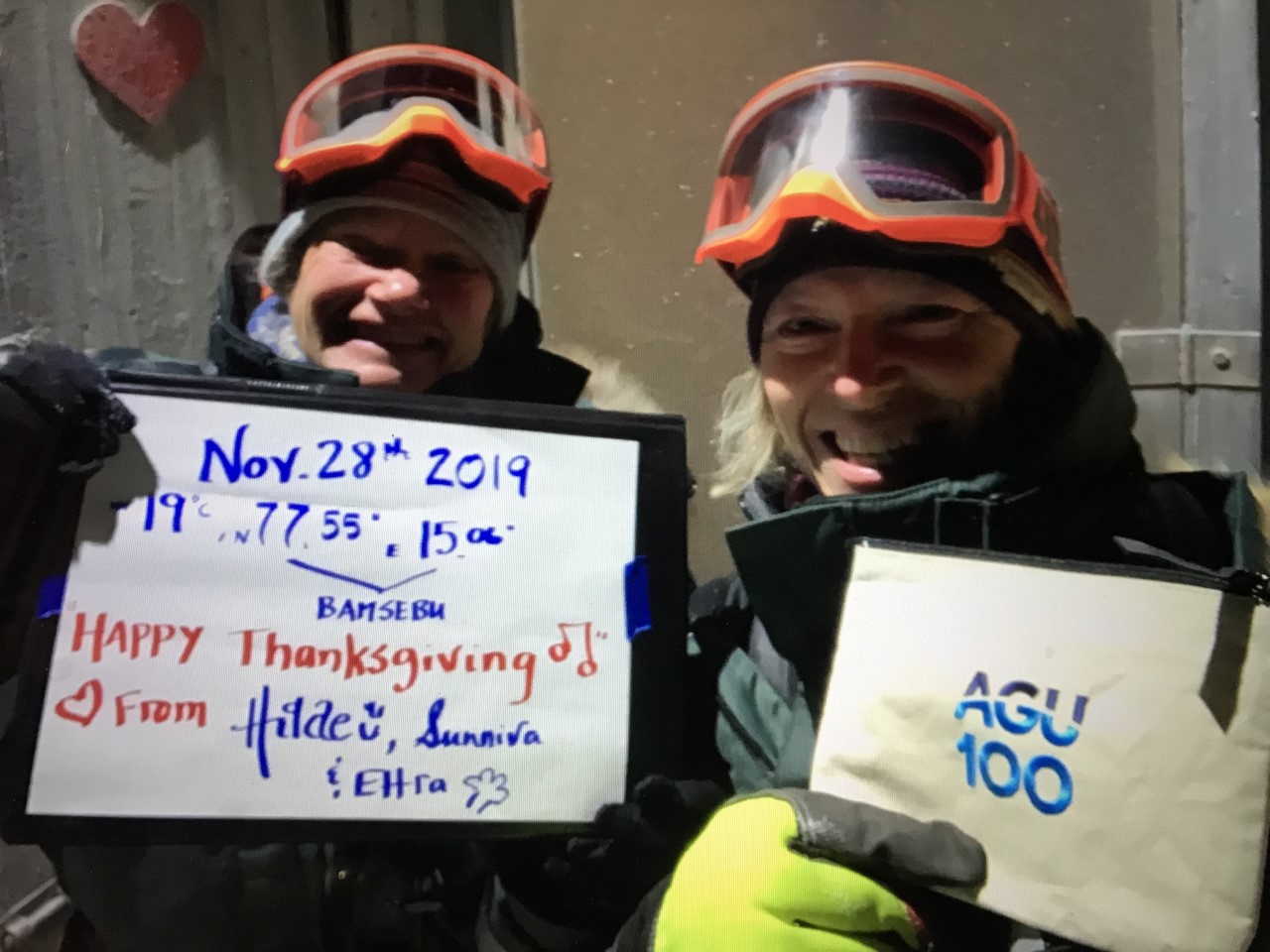
UPDATE 12.12.19 On Tuesday, December 10, Clemson University’s CHI rocket successfully launched, and Hearts in the Ice were able to take 65 timelapse photos at about an 80° angle: “When the text came in ‘ready to launch in seven minutes’ we dressed like firemen and we were out the door as quickly as possible….to experience all… Read More »Extreme Citizen Science: Seeing the Invisible
If you turn on the news for very long, you’re likely to hear about some of the changes our planet is going through. Temperatures are on the rise, glaciers are receding, precipitation patterns are changing — and many of these developments are most obvious in the polar regions. A formidable two-woman team is heading to… Read More »Hearts in the Ice: Citizen Science in the Arctic
By Michelle Tebolt, summer intern 2017 Above our heads, the aurora provides one of the biggest and best light shows on Earth. The light moves about, flashes across the sky, similar to some of the types of man-made lights we are familiar with. However, this light show isn’t to set the mood for a party. It… Read More »Lava Lamp or the aurora?
What’s wrong with this infographic? A common misconception about the aurora is that it’s formed by particles streaming straight from the sun. But that’s not the whole story. By only considering the solar wind, we leave some key questions unanswered like why do we see the aurora at night (when we’re facing away from the sun)? The answer lies in magnetic reconnection in the magnetotail.
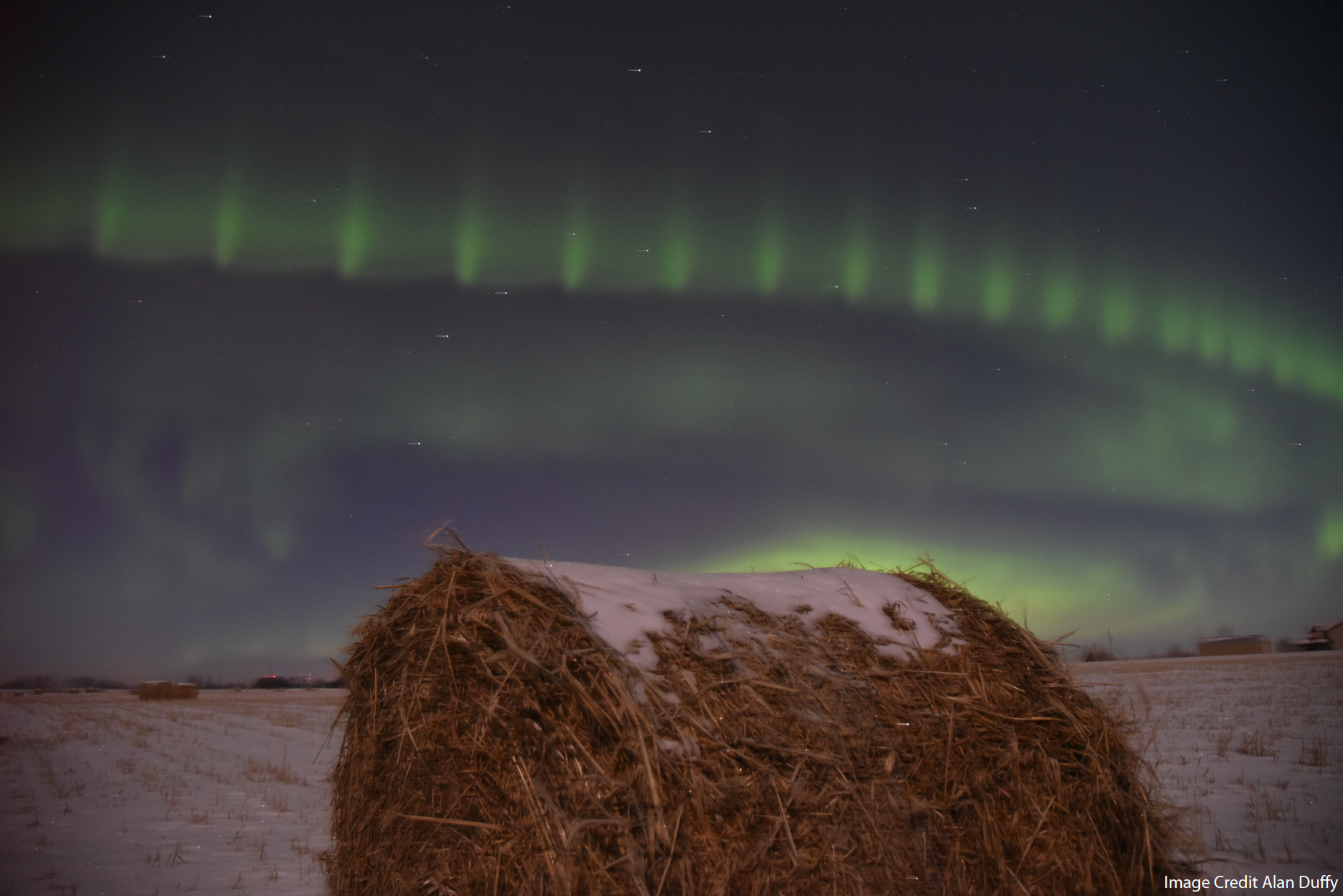
This post is written by Aurorasaurus guest blogger Nadine Kalmoni, a PhD student at Mullard Space Science Laboratory, University College London in the UK. The first time I saw this incredible image of the aurora (Figure 1) was just before Christmas of 2015 as a twitter post by a member of the public. I remember thinking, “Wow!” Photos and… Read More »Which processes in space cause these mysterious auroral beads?
This is a post by our guest blogger this month, Justin Oldham, who is a former graduate student from the University of Alaska Fairbanks and an instructor at the University of New Mexico. While studying aurora-related acoustics in Alaska I frequently encountered people who’d heard the northern lights during particularly intense displays on very still… Read More »Snap, crackle, pop! Care for some sound with that aurora?
Identifying Space Weather Phenomena Space weather is a complex field of study and can be a difficult term to define. According to NOAA’s Space Weather Prediction Center (SWPC), space weather is described as the variations in the space environment between the sun and Earth. Other planets have space weather, too. In fact, we have been… Read More »Space Weather at our Doorstep: How Can We Detect it?