Guest post by Vincent Ledvina, Laura Edson
With thanks to Valerie Svaldi for additional input
One of the terms you’ll often aurora chasers and scientists use is “substorm.” You might hear it referring to the best parts of an aurora chase, or as something to patiently wait for. But what does it mean, and where does it come from? While the aurora is commonly depicted in film and photos as erupting into color and motion, it doesn’t dance that way continuously all night. Instead, the aurora has a natural progression called a “substorm”, a sort of “life cycle” every few hours that happens multiple times a day. Substorms vary drastically due to the ever-changing energy from the Sun that drives them, but scientists look for telltale signatures in visible aurora and other data; there is a standard rhythm to their dance. In this blog post, we’ll walk through the basic steps. Note that this post is about daily auroras at northern high latitudes like Fairbanks, Yellowknife, Churchill, Tromsø, Abisko, and Kiruna, and does not include the larger geomagnetic storms that cause more widespread, irregular displays. We will also primarily be covering the perspective of being underneath the lights at these high latitudes, rather than viewing them more from the side hundreds of miles further from the poles.
Growth Phase | Hours | Growing, discrete arcs
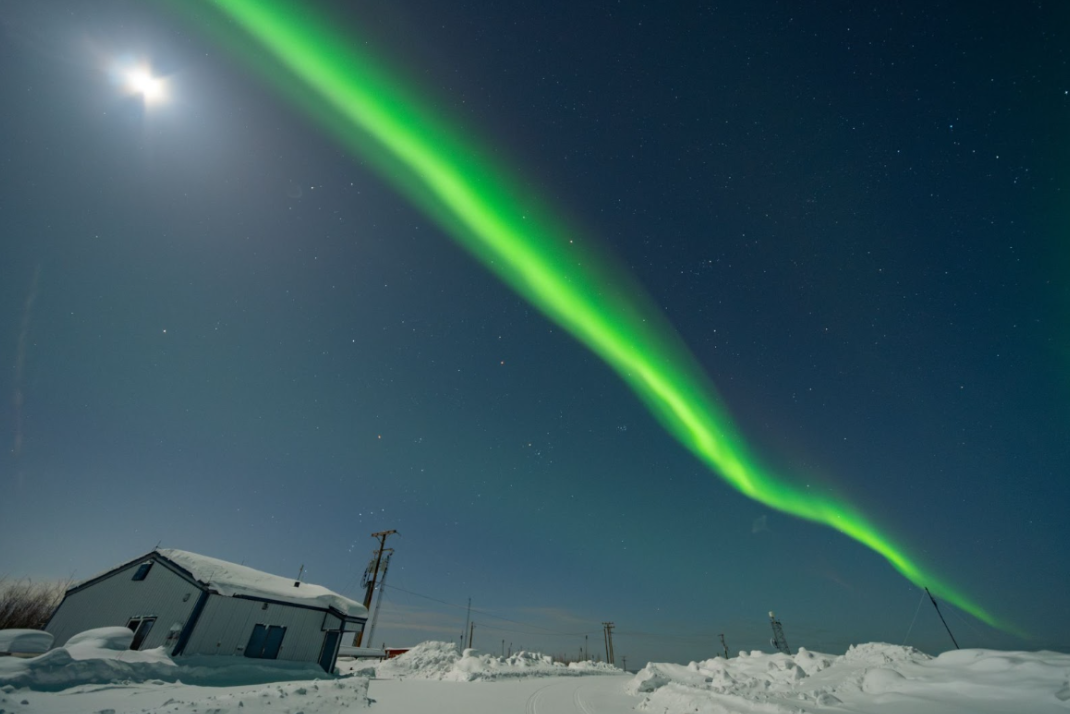
In the evening hours local time, an observer on the ground before midnight would notice quiet, ribbonlike discrete auroral arcs without much motion within the structures: the growth phase of a substorm. The arcs gradually move toward the equator: this follows the movement of the overall auroral oval. At the same time, out in space the magnetotail is stretching out more and more. Similar to a rubber band, as the magnetic field lines in the magnetotail stretch, they become more tense. This can last a few hours, so it’s good to be patient and wait for these discrete arcs to start growing before you get out into the cold. Locals will recognize the quiet growth phase arc as a regular early evening appearance to the north or northeast.
Onset or Breakup Phase | 10-15 minutes | Auroral beads may appear
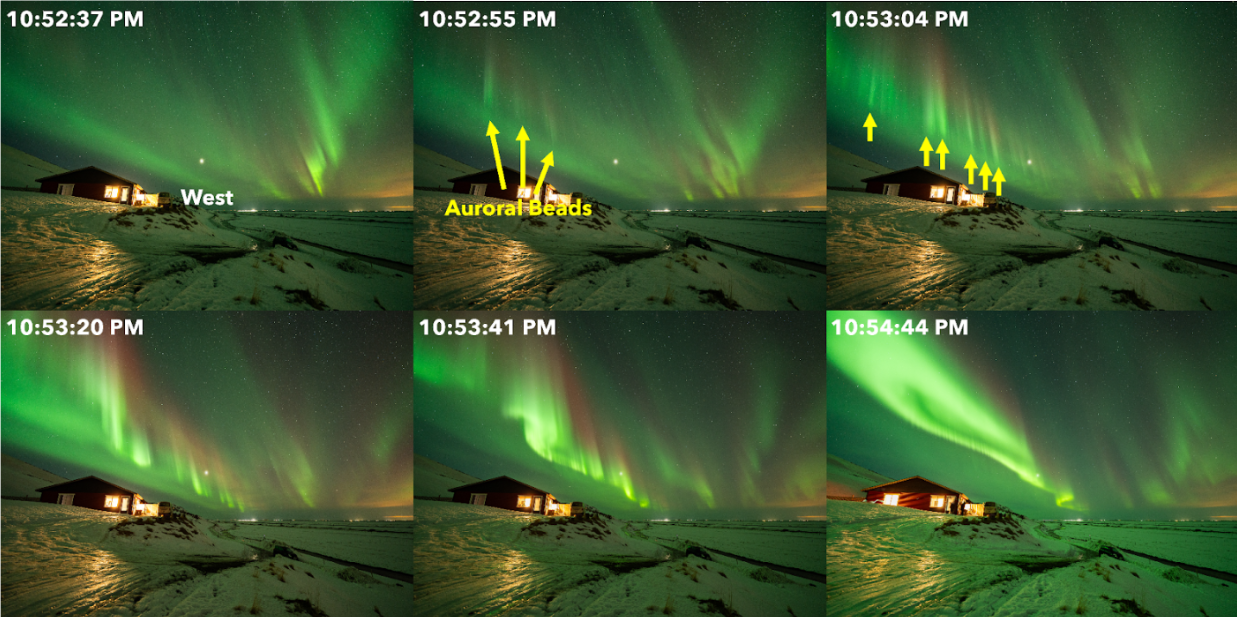
As quiet arcs get more active and start to cover more of the sky, the next big things to look for are auroral beads: a row of brighter spots or stripes in line along an auroral arc. They usually only last seconds to minutes, so auroral beads are a signal to pay close attention to what happens next! Beads are rare, and if the substorm breakup is happening significantly east or west of your location, you might not see them.
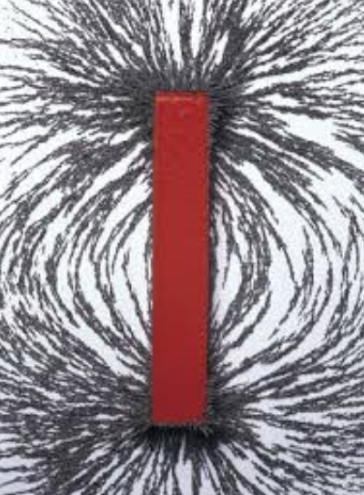
Auroral beads are a signature of the “onset” of a substorm, also called the “breakup” because the arcs will break up all over the sky. Previously quiet auroral arcs can suddenly twist into many dynamic forms. At this time, the aurora dramatically shifts from the equatorward part of the sky and snaps back towards the nearest magnetic pole (the North or South Pole). In the northern hemisphere it is common to see auroras move from the southern to northern horizon in a matter of ten minutes or so. It’s a stunning sight! Scientists have debated for at least half a century about how exactly the energy release that triggers the breakup gets started. However, we do know that in space, the magnetotail moves toward the Earth, becoming less and less stretched out and more closely resembling the shape of a dipole bar magnet’s magnetic field: hence, this effect is called “dipolarization.”
Expansion Phase | 15-30 minutes | Bursting into motion and bright color
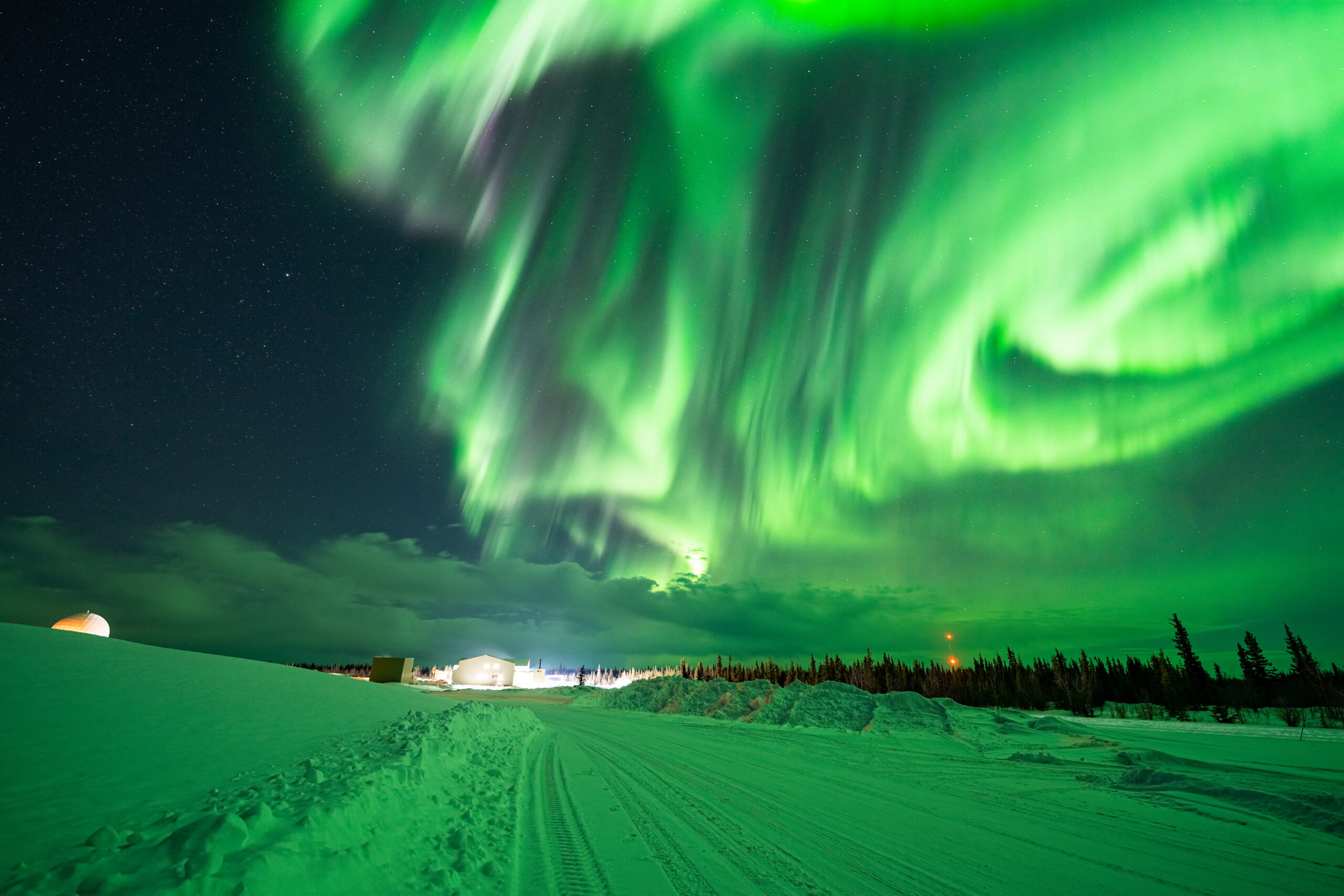
The expansion phase is the most famous part of the aurora’s dance. There is usually at least one per night at high latitudes, usually occurring around magnetic midnight. It usually lasts about 15-30 minutes and can include spectacular ribbonlike shapes, bright colors, and active movements.
Behind the scenes: the aurora occurs in ovals around Earth’s geomagnetic poles. If you are underneath the auroral oval at its strongest point, you’ll look up and see the aurora dancing above you. Imagine a substorm like dropping a large rock into a pond: the auroral oval becomes energized in a certain spot, and then that energy spreads around the world to the east and west. If you are right under this energized spot, you will see beads form right above you and the aurora “explode” overhead, but if you are under the auroral oval hundreds of miles away from the energized spot, you may see aurora racing toward you from the eastern or western horizon: a “westward-traveling surge”. This is like feeling the waves from the splash from far away.
Sometimes during the auroral substorm expansion phase, a large spiral of aurora forms, and moves westward, it can even be visible from space. Along with spirals, you may see vortex structures like smaller-scale “folds,” and “curls,” which wind the opposite direction from spirals.

Recovery Phase | 1+ hours | Quiet, with pulsating patches
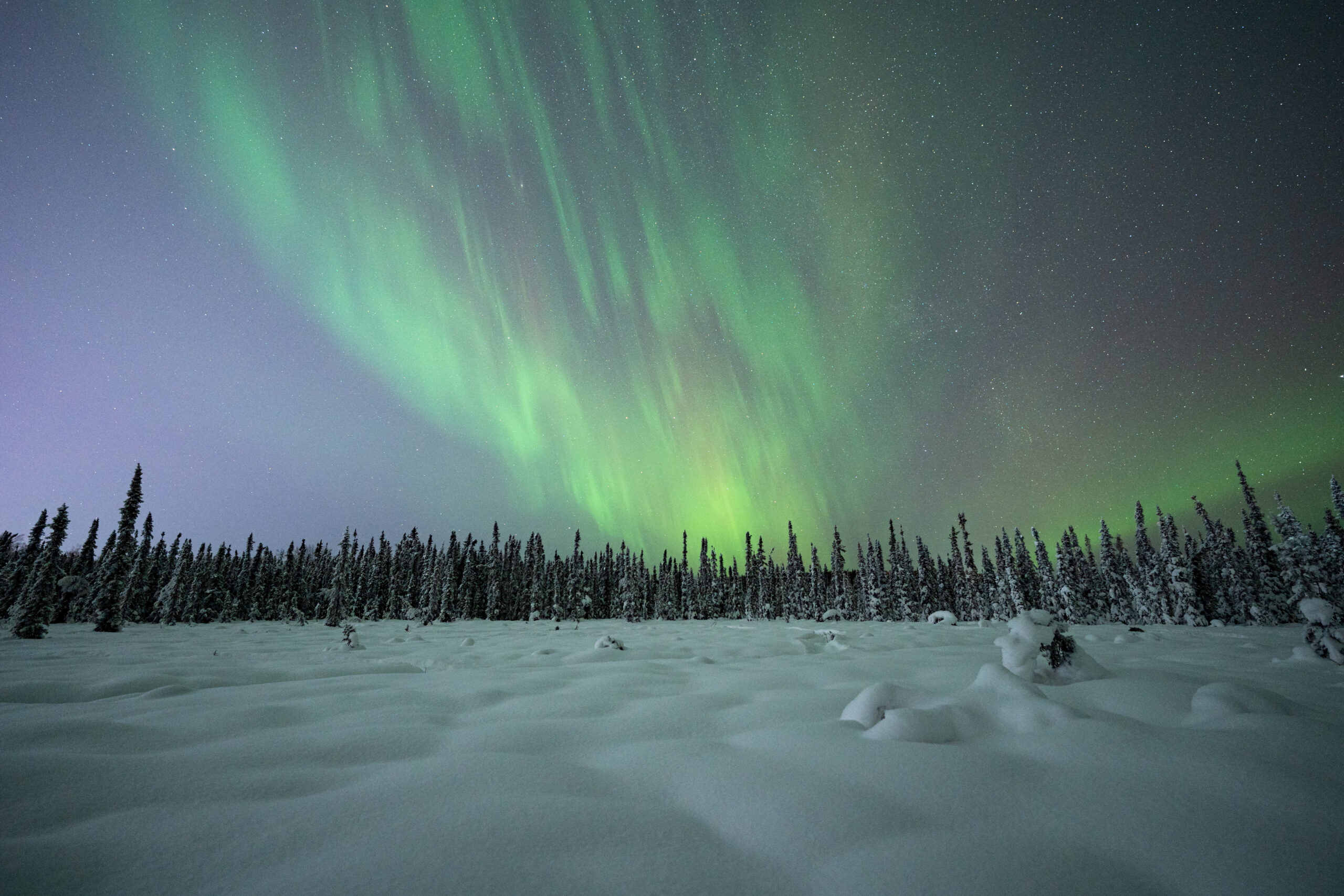
This part of the dance can last one or more hours. The aurora becomes diffuse and cloudlike, usually dim with much slower motion. (But if you can see stars through the glow, then it is likely an aurora, not a cloud.) That said, it is often the time of pulsating patches, parts of the aurora that seem to turn on and off every few seconds and occupy the “equatorward” side of the main auroral oval. These tend to occur closer to morning, as the Earth rotates underneath the aurora. Sometimes the recovery phase marks the finale of a night of an aurora, but sometimes another substorm happens right afterward, especially on active nights. It’s easy to underestimate how long this recovery process takes: be patient when waiting for another substorm.
A mid-latitude perspective shows height and motion
If you are further toward the equator when a substorm onset occurs, the biggest difference is that you will be looking at the aurora sideways rather than from underneath, and the translucent arcs seem to layer over one another. From far away you can’t see the north-south motions of the arcs very easily, but you can tell when the activity picks up.
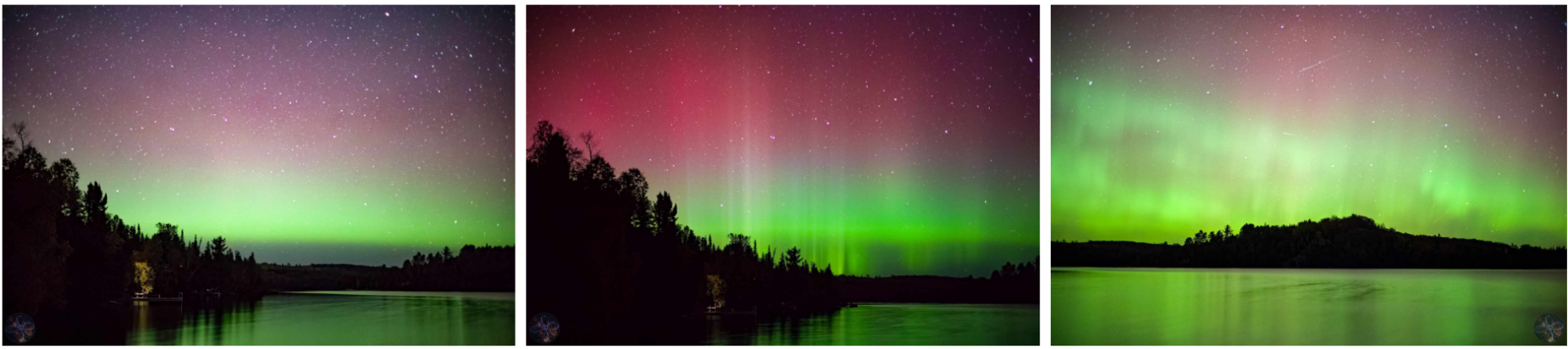
For example, at the start of the breakup phase, auroral beads may appear as bright shifting and dancing pillars on the horizon. Poleward expansion may move away from you, but since from a distance all the auroral arcs are layered, the display can become quite bright! It may look more like curtains waving on the horizon. The substorm follows the same steps, though, even if you are looking at it from a different angle.
What do substorms mean for Earth?
Substorms are important to study because they are not only a fundamental process by which energy moves through our planet’s magnetic fields and into the atmosphere, but they can affect technology in space like satellites, and on the ground: for example, large power grids. This normal, daily dance between the Earth and Sun is important to understand for advancing and engineering technology.
That said, substorms are tricky to fully understand because the processes in the Earth’s magnetic field that cause them are so large; while they are basic heliophysics processes, the way they “breakup” is still hotly debated because of this. Observers on the ground can provide key clues that might help unlock what a satellite is measuring far out in space. This blog post is just an introduction to substorms, and you can learn more from the resource list below. You can also help scientists study them! When you make a report to Aurorasaurus, you can include the exact start time of the different substorm phases if you notice it, even from mid-latitudes. In particular, we’d like to know the time of “breakup” and if you see any distinct, short-lived auroral beads. Special catalogs of substorms are used in this kind of research, so doing so will help scientists match your observation with other data.
Getting to know substorms
Substorms were originally defined by Dr. Syun-Ichi Akasofu as “the sequence of auroral events over the entire polar region during the passage from auroral quiet through the various active phases to subsequent calm.” In other words, a sort of “life cycle” of aurora. In this cycle, the onset and expansion phase usually contain the best and most active auroras, but between those peaks the aurora will die down for a while. Learning to recognize the stages of a substorm will help you get a sense for when the aurora might become active again—and when you can see less-noticed but still cool features like pulsating patches!
Resources
- The Development of the Auroral Substorm, by Dr. Syun-Ichi Akasofu
- The OG substorm paper, this goes over the details of substorm formation and progression. Aurorasaurus held a Journal Club read-together of the article.
- “What is an auroral substorm?” a new blog post by Vincent Ledvina
- Space Weather Unplugged episode: “Chasing a Substorm”
- “The Lifecycle of an Aurora” by Andy Stables
- What Is Discrete Aurora? (It’s Not Discreet!) blog post by Aurorasaurus
- Which processes in space cause these mysterious auroral beads? Aurorasaurus guest blog post by Nadine Kalmoni
- Like an Outdoor Nightclub: Q&A on Pulsating Auroras blog post by Aurorasaurus


