
Solar Cycle 25 is Coming: What You Need to Know!
Guest post by Vincent Ledvina
Guest post by Vincent Ledvina

Guest post by Aurorasaurus Ambassador Jeremy Kuzub This article is the first of three about how researchers and citizen scientists record and explore years of auroral activity using all-sky cameras, keograms, and software visualizations. What if you could stand under the aurora-filled night sky and watch everything from horizon to horizon, all night, every night,… Read More »Eyes on the Aurora Part 1: What is an All-Sky Camera?

Aurora citizen science often involves gazing at the sky outdoors, but there is a lot of learning and citizen science that can be done from home! In this post, we have compiled some resources for families, students, and aurora enthusiasts. Best of all, we are here for you if you have questions on this material—tweet… Read More »Exploring Aurora from Home
In Spring, the Aurorasaurus Reawakens! During Solar Minimum, even Aurorasauruses hibernate a little. But with new funding, Aurorasaurus is coming back with an update! Over the next months, you’ll see updates to our website and tools. This status update is current as of May 1, 2020. Behind the Scenes The mastermind behind this revitalization is… Read More »In Spring, the Aurorasaurus Reawakens!
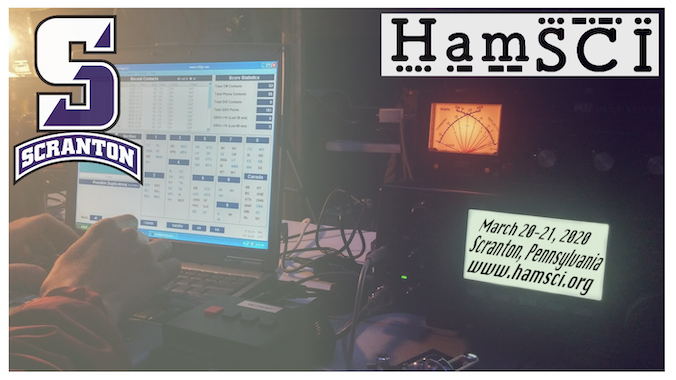
This year’s Ham Radio Science Citizen Investigation (HamSCI) Workshop 2020 took place online, over Zoom and YouTube Live. In this post, we’ll bring you details for how to watch the recorded presentations, summarize Aurorasaurus’ contributions to the presentation lineup, and share lessons learned for getting a conference online with a short turnaround.

A summary of a groundbreaking new paper by Dr. Michael Hunnekuhl and Dr. Liz MacDonald, published in Space Weather with open access: “Early Ground-Based Work by Auroral Pioneer Carl Størmer on the High Altitude Detached Subauroral Arcs now known as STEVE.” In 2018, STEVE took the world by (solar) storm. The quirky little subauroral arc… Read More »When Størmer Met STEVE

Each year, Goddard Space Flight Center holds a collegial poster party for scientists and engineers to showcase their ongoing research. One of the award categories is “Best Science as Food.” What better opportunity to try ideas for hands-on education? Aurorasaurus and our colleagues Dr. Anne-Marie Novo-Gradac and Dr. Kevin Novo-Gradac decided to represent the Heliophysics department by coming up… Read More »Nerdy Science Recipes for Your Next Party!

What are those dark spots on the sun? Coronal holes! In this repost, guest blogger Michael Kirk explains what a coronal hole is and tells us about current and upcoming research into the field.

NASA SEES summer intern Anna MacLennan reflects on her experience on the Earth From Space Aerospace Engineering team designing a satellite and creating experiments to study STEVE.
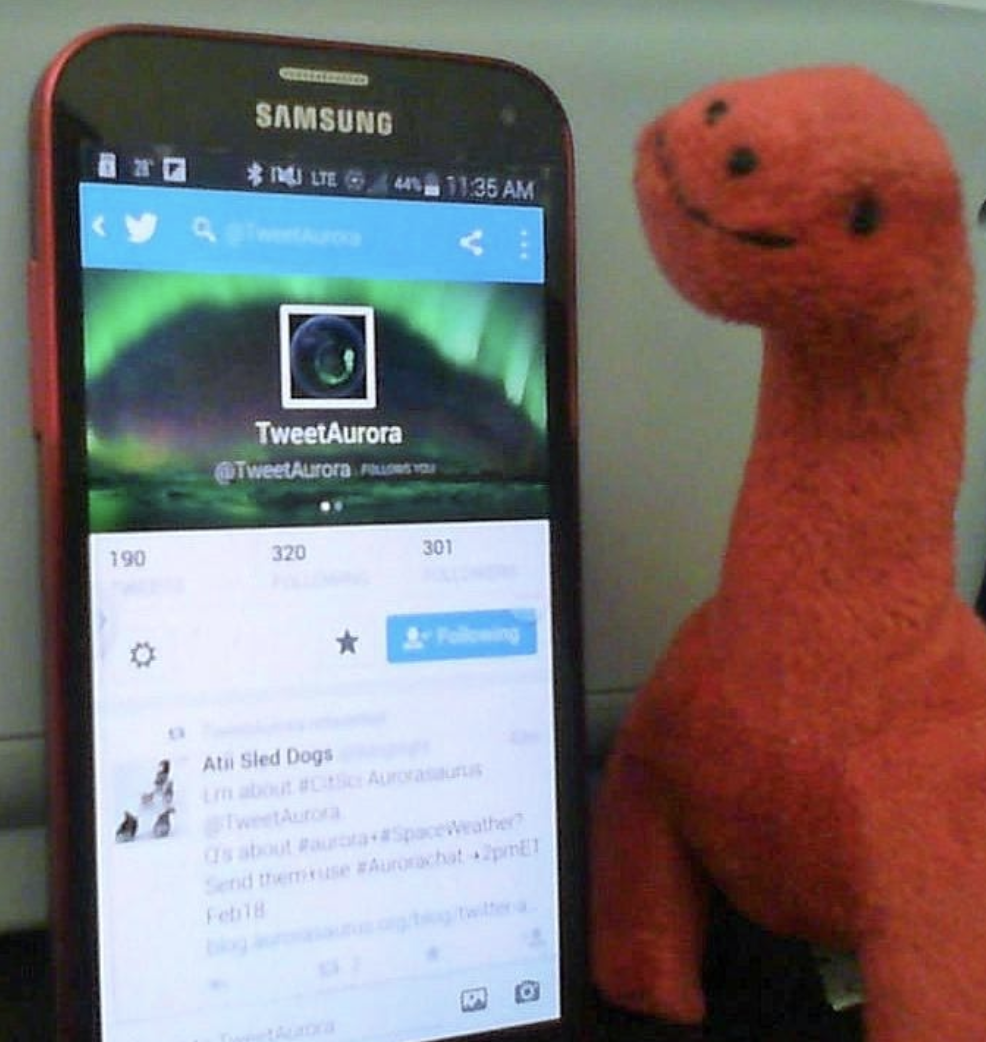
Over the past decade, Aurorasaurus has grown from a persistent idea in the mind of Dr. Liz MacDonald to a worldwide initiative that has contributed research and discoveries to aurora science. At its heart, Aurorasaurus is a community effort, only possible through the contributions of thousands of citizen scientists, scientific experts, team members and volunteers.… Read More »It Takes a Community to Raise Aurorasaurus: Gratitude and Retrospective