Protected: Multiple Intelligences and Participatory Science
There is no excerpt because this is a protected post.
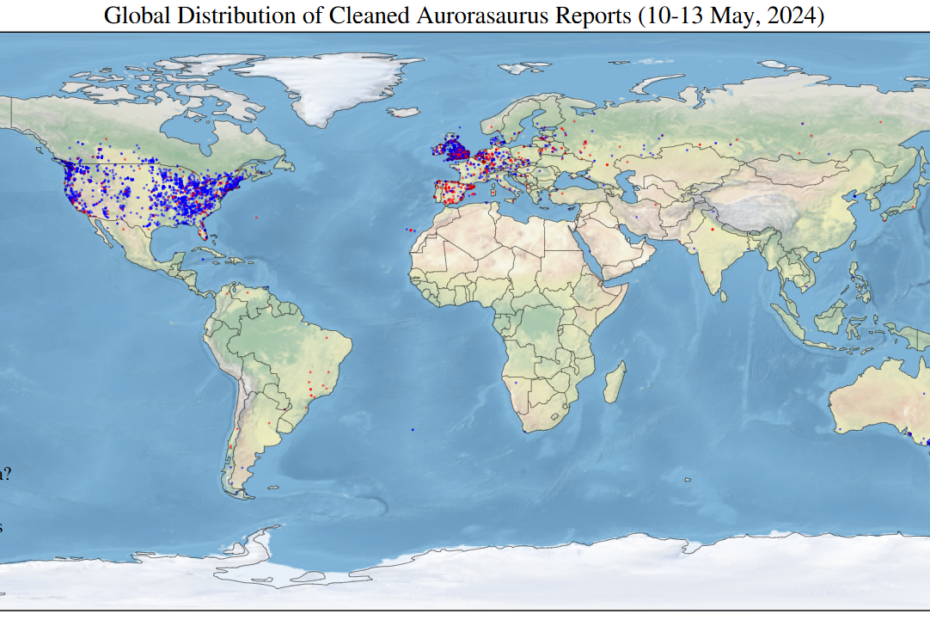
First, thank you for being part of the Aurorasaurus community. Every observation you have shared has helped build something remarkable. We’re excited to announce the release of more than a decade of Aurorasaurus citizen science data. To make this resource as useful as possible, Dr. Liz MacDonald and post-bachelor researcher Feras Natsheh have further refined… Read More »A solar cycle of data: Aurorasaurus reports 2014-2025
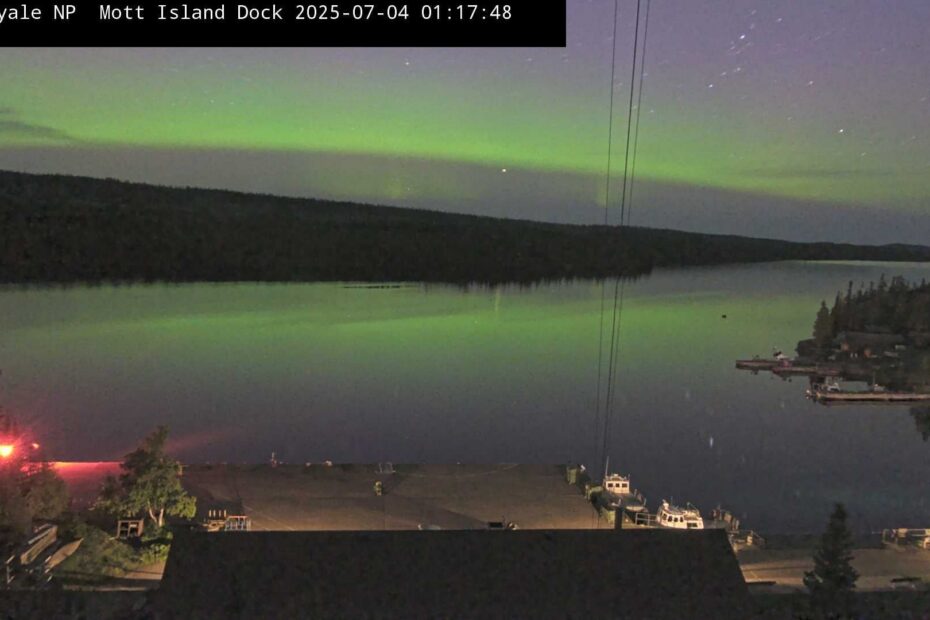
by Tanya Melnik and Laura Edson The aurora follows a “life cycle” called a substorm. We know the feeling of waiting for the most dynamic part of the substorm to light the sky with green and red ribbons, but sometimes it seems to take forever. In this post we’ll go over a couple of reasons… Read More »Staying cool with aurora science
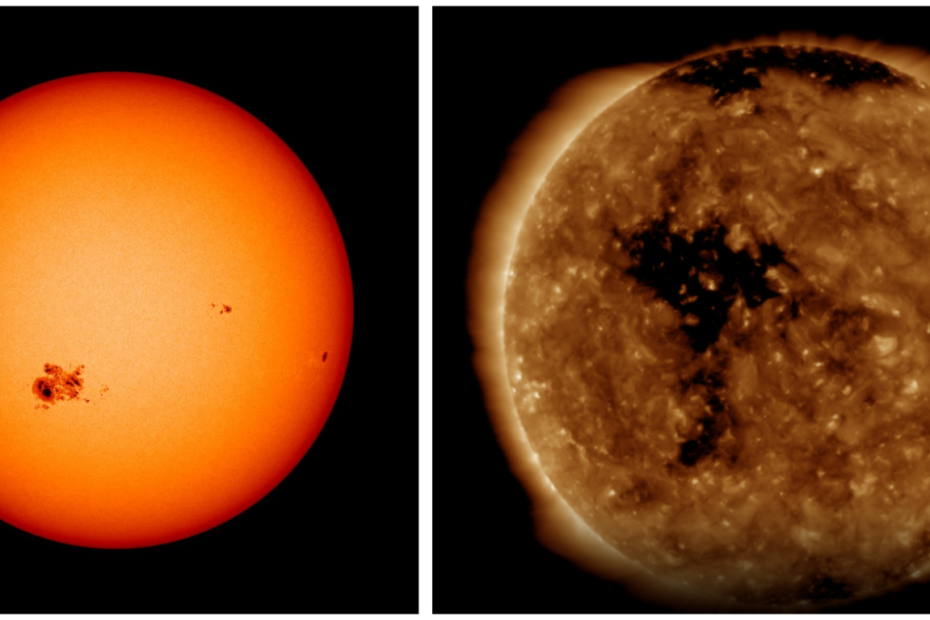
While the Sun appears constant, in terms of heliophysics the Sun varies naturally and goes through significant daily variations. With solar maximum in the recent past, a common question about auroras is: are they caused by sunspots? As with a lot of aurora science, the answer is somewhat complicated, and includes several phenomena that are… Read More »How are sunspots related to auroras?
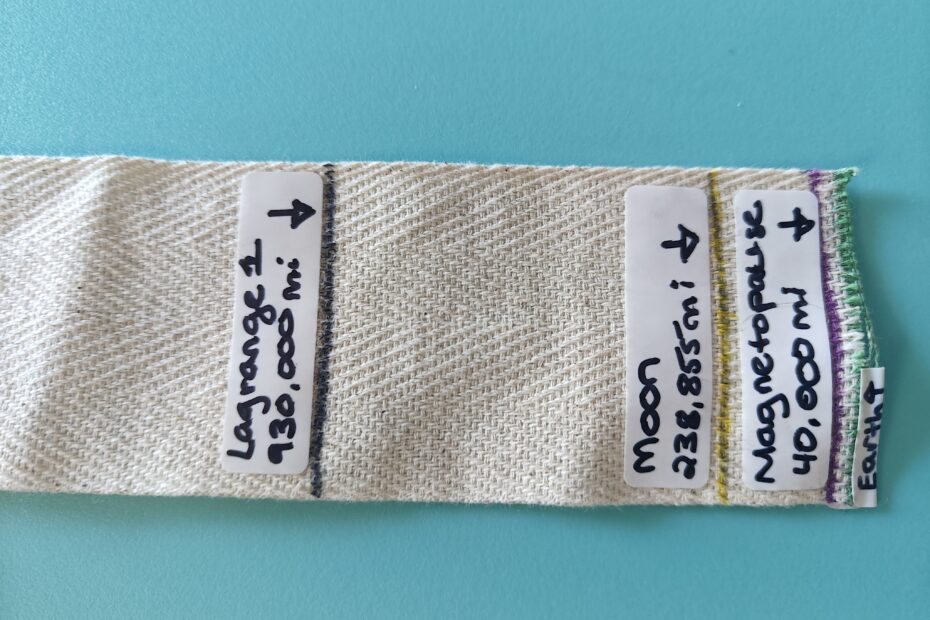
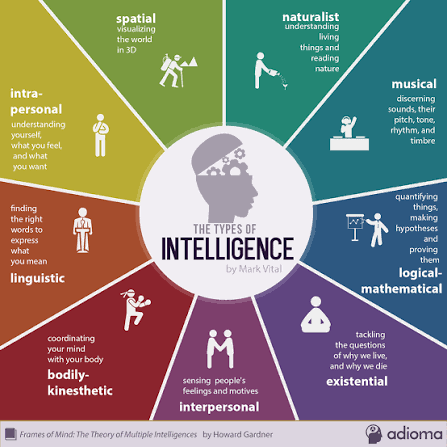
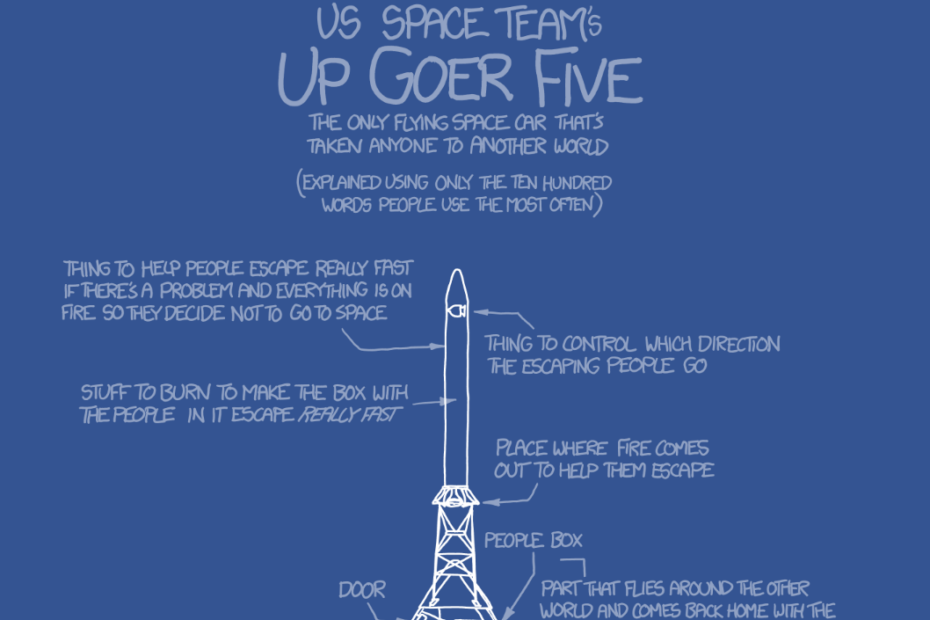
By Laura Edson, MAT in Museum Education When I first joined Aurorasaurus six years ago, I had a steep learning curve ahead of me. I’d struggled with algebra and calculus in high school, I hadn’t touched physics for 15 years, and words like “magnetohydrodynamics” were pretty intimidating. I was able to learn because Dr. Liz… Read More »Making auroras understandable
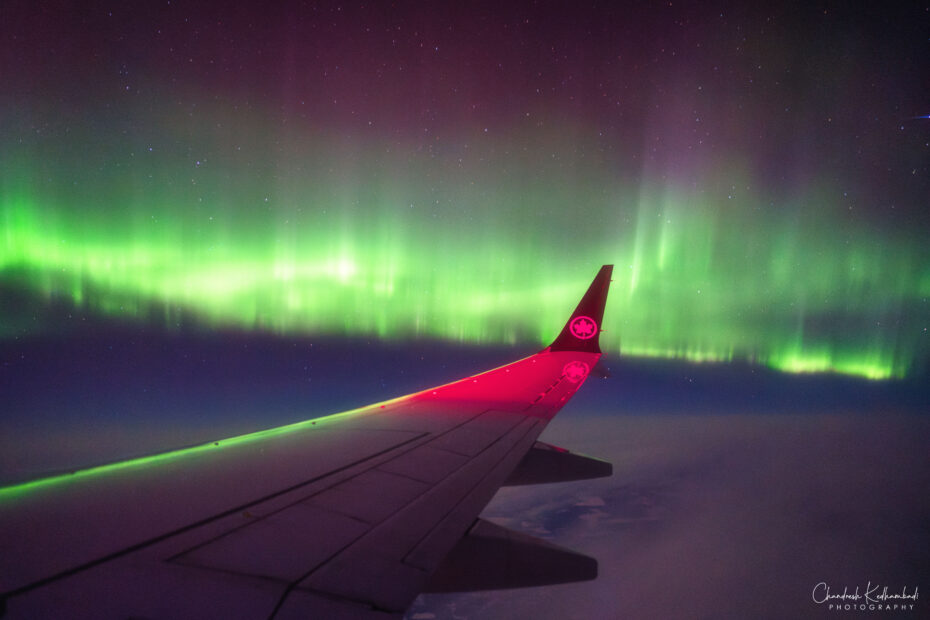
Guest post by Chandresh “C.K.” Kedhambadi More and more we are asked, “how do I take photos if I can’t go outside?” There are a host of reasons it might be more comfortable to enjoy the aurora through a window, and even some situations where it’s an advantage: for example, flying above the clouds. With… Read More »Chasing the Aurora Home – Photographing the Northern Lights from 35,000 Feet
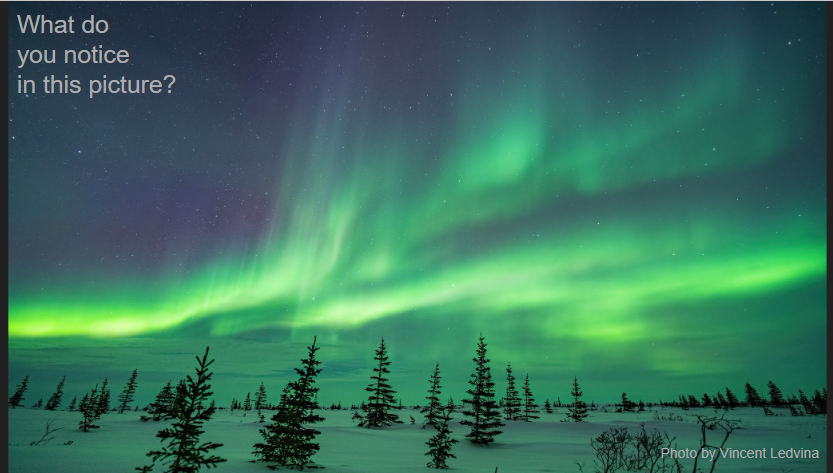
by Laura Edson, MAT in Museum Education A question we have received more and more at Aurorasaurus is, “Do you have any suggestions for presenting auroras to the public?” The aurora is a really fun topic to share; it is instantly engaging and technically challenging, artistically beautiful and scientifically fascinating. But it can also be… Read More »Presenting Auroras: Three Lessons from Museum Education
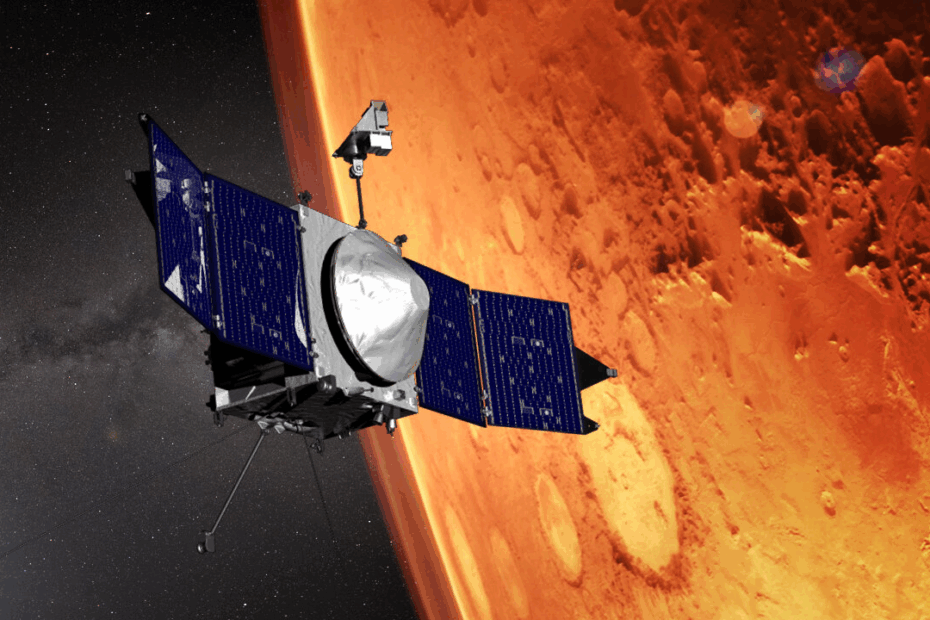
With contributions from Dr. Andréa Hughes The short answer is yes, but they are different from those on Earth. When we think about the aurora, we often imagine beautiful green and red lights that ring the night skies around the north and south poles, with the most dramatic displays in the hours around midnight. This… Read More »Are there auroras on Mars?
What an incredible storm we had November 11-13, 2025! We have been so excited to see the beautiful pictures and thrilling sightings you had from all over the world! We have an amazing community, and we are so grateful for every report. We are also often approached by aurora chasers who ask, “What are you… Read More »A wish list for aurora reports
Auroras are made when particles bump into atoms and molecules in the Earth’s upper atmosphere, giving them energy. The atoms and molecules then give off that energy as light in specific colors: red, green, blue, and pink. But why on rare occasions do auroras seem to have yellow, cyan, or purple in them? In this… Read More »Why do auroras sometimes look yellow?