Campaigns
You can gather data to help investigate science questions. Aurorasaurus is involved in a number of time-sensitive data gathering campaigns, and also maintains an ongoing wishlist of reports.
Time-sensitive campaigns


Ongoing wishlist
Past campaigns
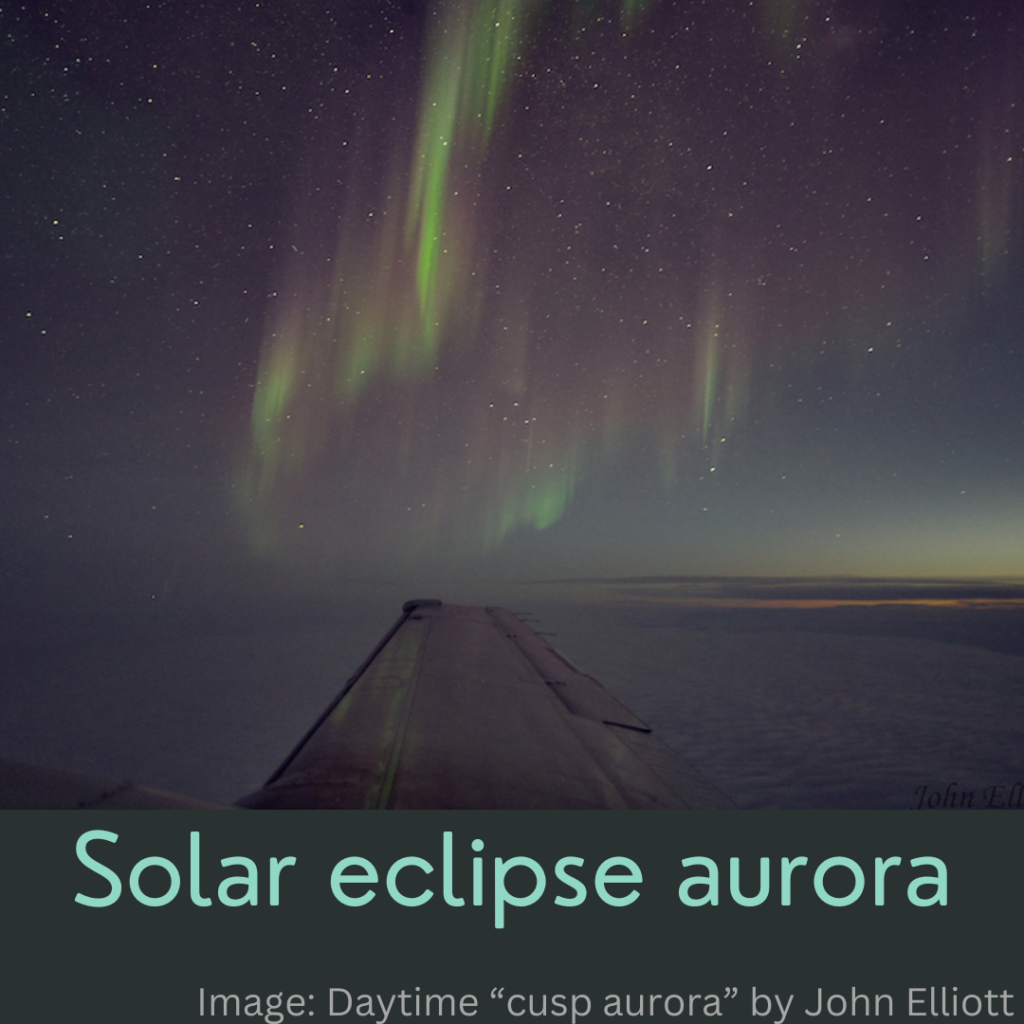
Aurora during solar eclipses
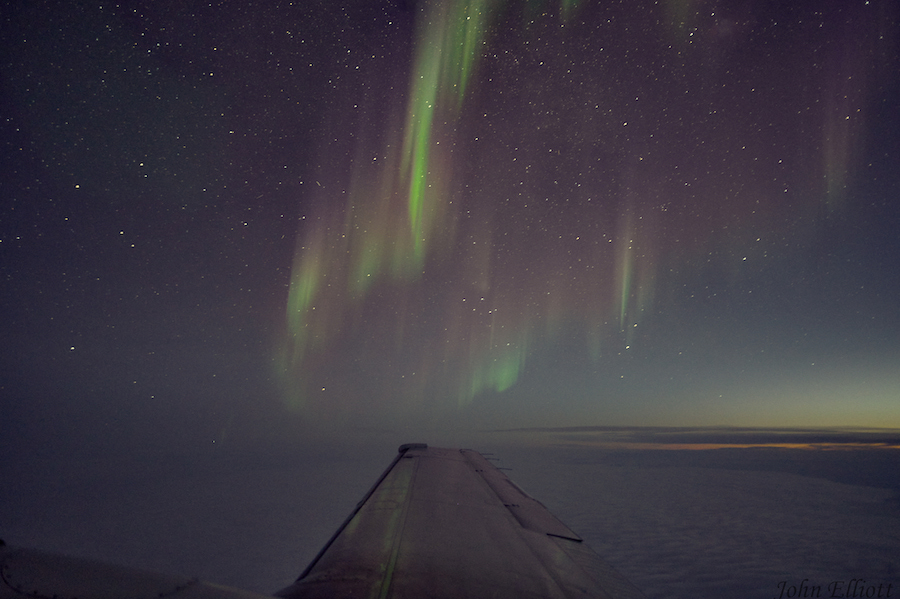
There are forms of aurora that shine during the day: they’re just washed out by ambient light. Is daytime aurora ever visible during the darkness of a total solar eclipse? This is an open science question, and opportunities for an eclipse and space weather to be in the right place at the right time are rare. The August 2026 eclipse over Greenland and Iceland is one such opportunity: a very rare but scientifically interesting challenge.
We are looking to gather crowdsourced reports of aurora during the total solar eclipse. You’ll be joining other observers, including photographers on boats in the Greenland Sea, SuperDARN in Iceland, HamSCI, EZIE-Mag and magnetometer measurements. We are also interested in observations from the Antarctic.
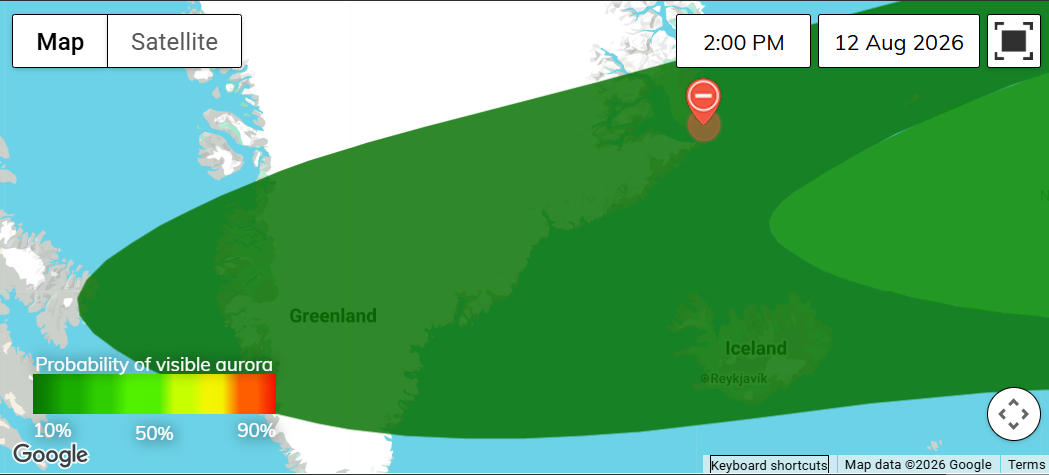
Solar space weather nearly cooperated during the eclipse, and a chance of aurora was modeled over Iceland and Greenland. Whether or not you saw aurora, we’d love a backdated report if you made an attempt, especially if you had clear skies. “No” reports like the one pictured above help provide a scientifically valuable, “ground-truth” verification of the model. Instructions for how to make a report are available here.
Did you watch the aurora with Artemis II?
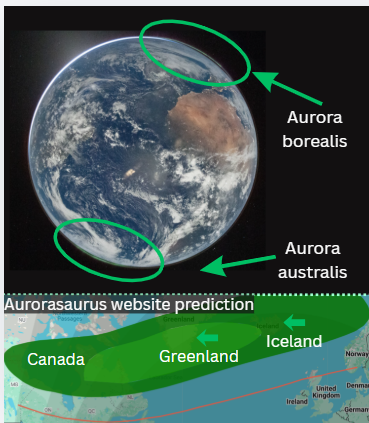
Artemis II astronauts photographed the Northern & Southern Lights from space. We’re seeking photos of aurora taken from Earth at the same time.
Make a participatory science report to aurorasaurus.org if you saw aurora on:
April 2, 2026 8:30 pm – April 3, 2026 12:00 am EDT, which is April 3, 2026 12:30 – 4:00 am UTC
Large auroral events

Scientific cameras for recording aurora tend to be concentrated at higher latitudes where auroras often occur. However, there’s amazing science that can be done during rare large storms when auroras reach lower latitudes and do unusual things. During these storms, participatory scientists can record photos, videos, timelapses, and observations that might not otherwise be possible. These can help scientists better understand large storms.
We would especially appreciate reports of:
- Red, pink, blue, or magenta auroras; large storms operate very differently than regular substorms. Colors that are typically faint can become much brighter, and totally new auroral forms can appear and/or be caused
- Overhead “corona” auroras because this tracks the way that magnetic field lines stretch equatorward from their usual locations
- Low latitude observations, especially with a note in the “Additional Comments” blank about whether you can see the aurora on camera only, or whether it is visible to the unaided eye. Recording the type of visibility helps track the maximum distance the aurora can be seen by taking advantage of the way the phenomenon’s extreme height enables it to be viewed side-on from great distances
- Unusual or rare features (STEVEs, pulsating aurora, FAEs, SAR arcs, auroral dunes, RAGDA, etc.), or anything you think is weird. It’s especially helpful to get timelapse and capture and the start and end times if possible
The following dates are of particular interest:
- Jan 19-21, 2026
- November 11-13, 2025
- Sept 14-15, 2025
- December 31, 2024 – Jan 1, 2025
- October 10-11, 2024
- August 11-12, 2024
- May 10-11, 2024 (Gannon Storm)
- November 5-6, 2023
- April 23-24, 2023
- March 23-24, 2023
Fill the map
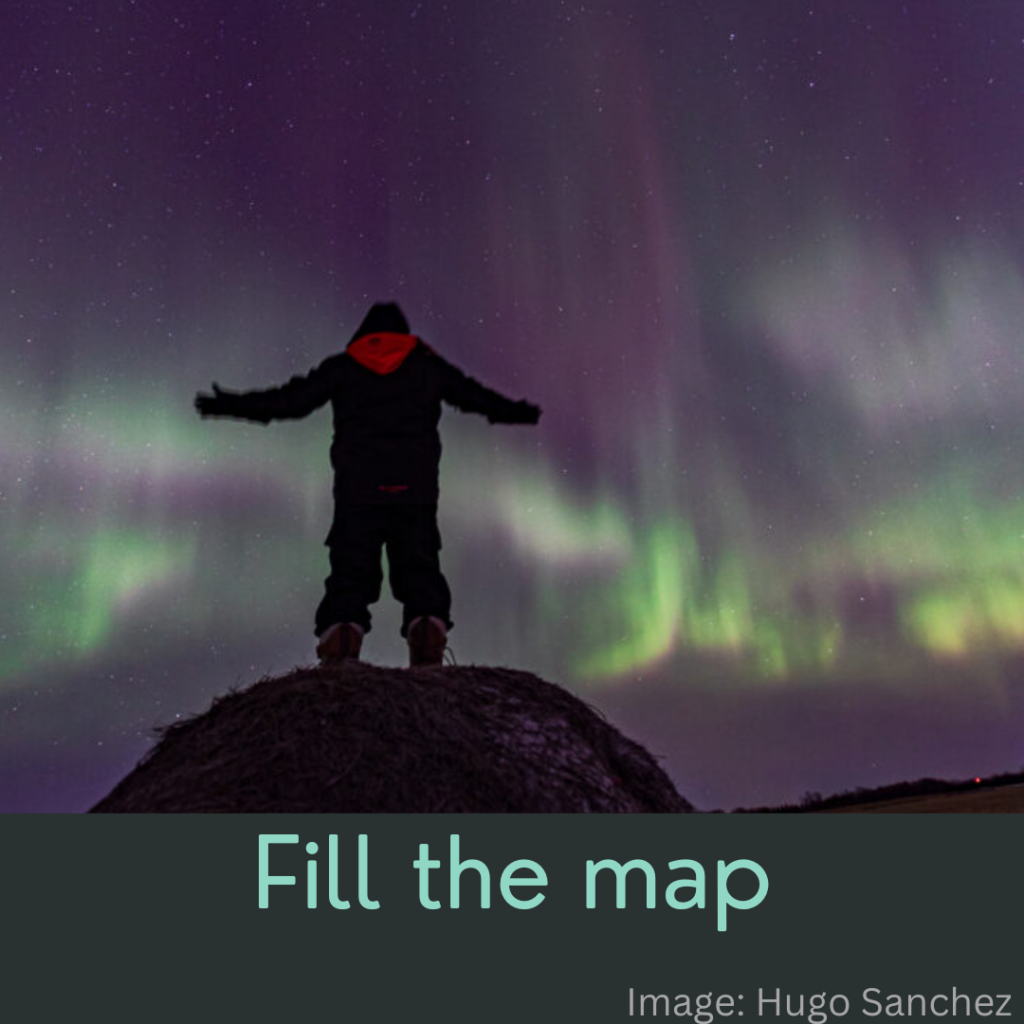
Participatory scientists are extremely agile, able to observe and report auroras from unprecedented locations and through less than ideal weather like patchy clouds. Reports of daily high-latitude auroras and substorms can be compared with other instruments on the ground and in space. In addition, high volumes of reports add detail to studying the aurora.
For example, Aurorasaurus uses a model called OVATION Prime to project a red “view line” onto the map. This line estimates where the aurora might be visible with the naked eye under relatively dark skies. Adding reports of what you see, which scientists call “ground truth” helps to validate and correct this estimate, helping scientists build better models. Participatory scientists can also note the stages of the auroral life cycle, or “substorm”, documenting important peaks of activity.
Combining experiential knowledge from aurora observers with scientists’ academic knowledge provides a more complete understanding of this beautiful phenomenon. Just by reporting (yes or no), you make a difference.
Some particular things we are interested in:
- Reports from the northern and southern hemispheres especially at or beyond the view lines
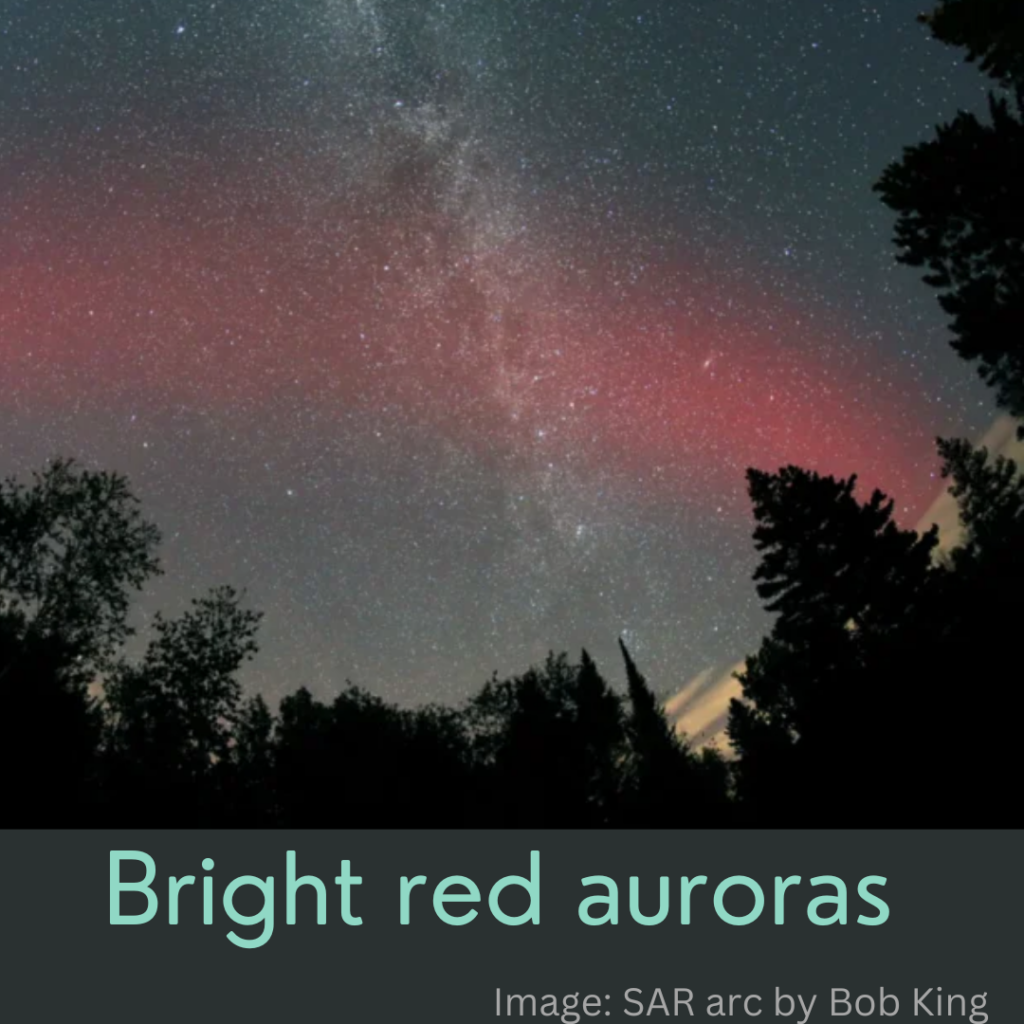
- Bright red aurora and/or visible SAR arcs in smaller events
- Short-lived auroral beads, which can indicate the elusive trigger mechanisms for substorms that cause aurora to dance and stretch a couple of minutes after they appear
Bright red auroras

There are a number of ways that auroras can be red, and some of them are of particular scientific interest. Great Red Auroras tend to occur with some particularly intense storms as bright, short-lived phenomena at the peak of the storm. The ruby color is as pure as a red laser pointer, and unusually bright. SAR arcs are often diffuse, dim, and invisible to the naked eye, but they are sometimes visible and can show up in photos. We’re especially interested in visible SAR arcs that occur in smaller events. You can read more about red auroras on our blog.
Aurora-related phenomena
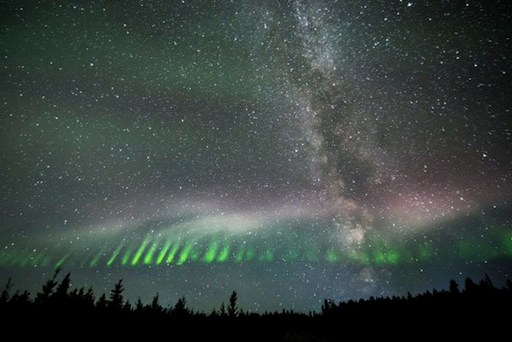
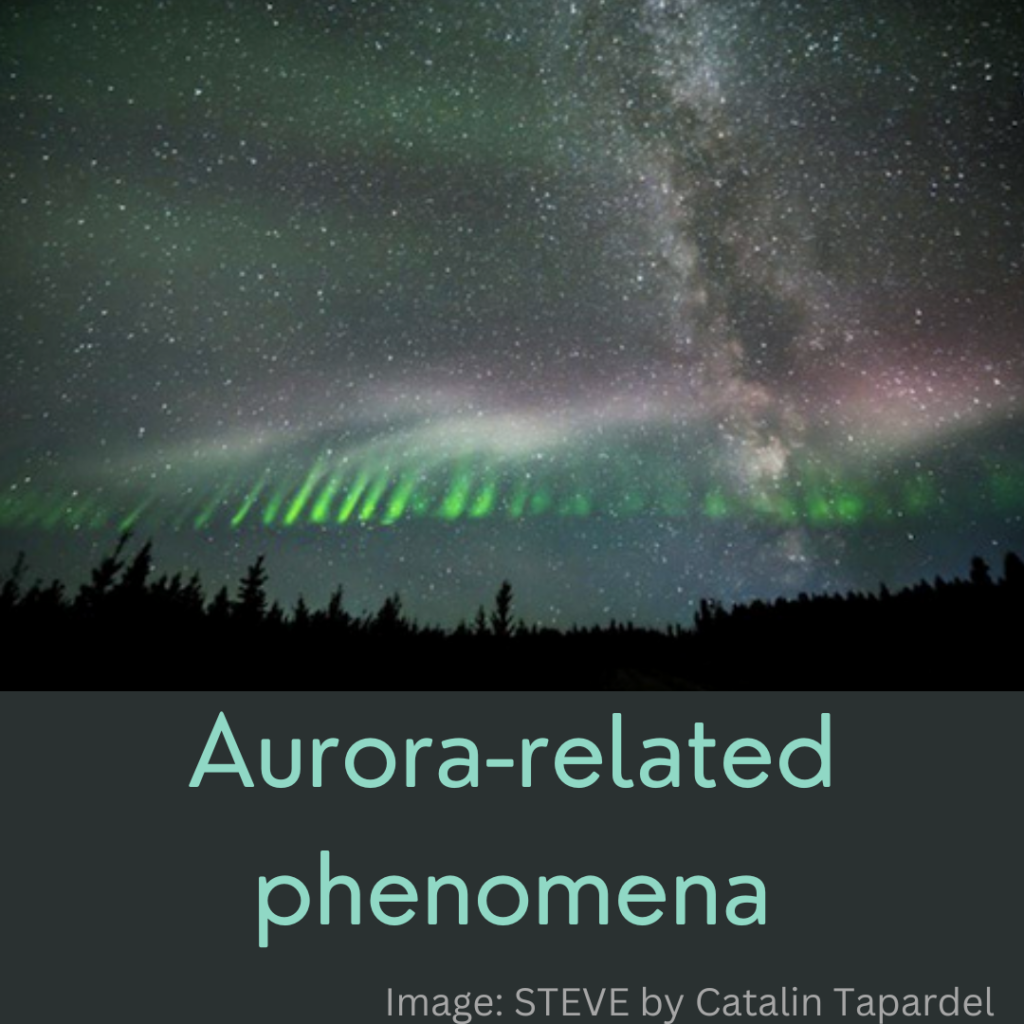
The importance of participatory scientists to the study of phenomena like STEVE cannot be underestimated; they would not be studied without you. Aurora chasers bring advanced observation and photography skills to aurora-related phenomena, discovering new features and gathering data on new discoveries that scientists are still learning about. We would love reports on any of the following:
- STEVEs with start and stop times, video or timelapse welcome, especially at very short exposure times. STEVEs and SAR arcs transitioning into one another would also be very helpful
- Auroral dunes
- Giant Blue Rays and other blue aurora


