What an incredible storm we had November 11-13, 2025! We have been so excited to see the beautiful pictures and thrilling sightings you had from all over the world!
We have an amazing community, and we are so grateful for every report. We are also often approached by aurora chasers who ask, “What are you looking for? What can I help with?” It’s touchingly generous and thoughtful, and means a lot to us. Positive reports help scientists analyze how far away the aurora was visible and improve models of where aurora can seen. Negative reports clarify whether factors like light pollution or clouds made the aurora hard to see.
So to answer that question, in this post we’ll walk through our current “wish list”, why each piece is scientifically interesting, and how best to report sightings.
Documenting rare storms

Scientific cameras for recording aurora tend to be concentrated at higher latitudes where auroras often occur. However, there’s amazing science that can be done during rare large storms when auroras reach lower latitudes and do unusual things. During these storms, participatory scientists can record photos, videos, timelapses, and observations that might not otherwise be possible. These can help scientists better understand large storms.
We would especially appreciate reports of:
- Red, pink, blue, or magenta auroras; large storms operate very differently than regular substorms. Colors that are typically faint can become much brighter, and totally new auroral forms can appear and/or be caused
- Overhead “corona” auroras because this tracks the way that magnetic field lines stretch equatorward from their usual locations
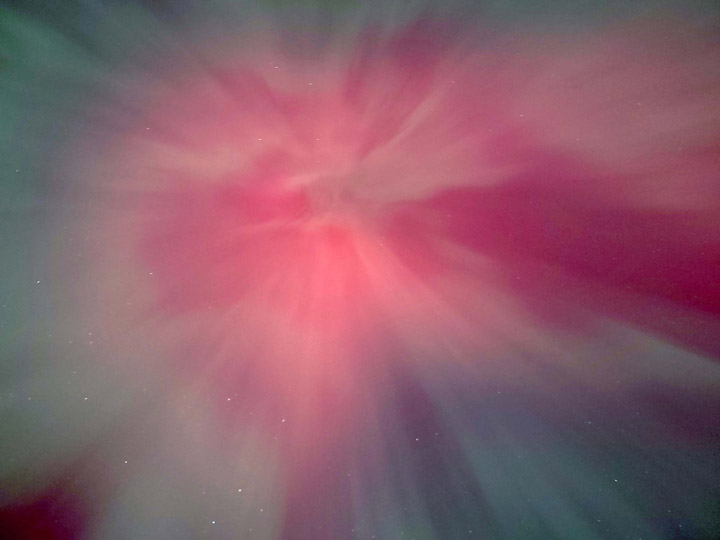
- Low latitude observations, especially with a note in the “Additional Comments” blank about whether you can see the aurora on camera only, or whether it is visible to the unaided eye. Recording the type of visibility helps track the maximum distance the aurora can be seen by taking advantage of the way the phenomenon’s extreme height enables it to be viewed side-on from great distances

- Unusual or rare features (STEVEs, pulsating aurora, FAEs, SAR arcs, auroral dunes, RAGDA, etc.), or anything you think is weird. It’s especially helpful to get timelapse and capture and the start and end times if possible
The following dates of particular interest because they are the largest storms of this solar cycle. Most of them are also bigger than the previous solar cycle’s, too!
- November 11-13, 2025
- December 31, 2024 – Jan 1, 2025
- October 10-11, 2024
- August 11-12, 2024
- May 10-11, 2024 (Gannon Storm)
- November 5-6, 2023
- April 23-24, 2023
- March 23-24, 2023
New discoveries
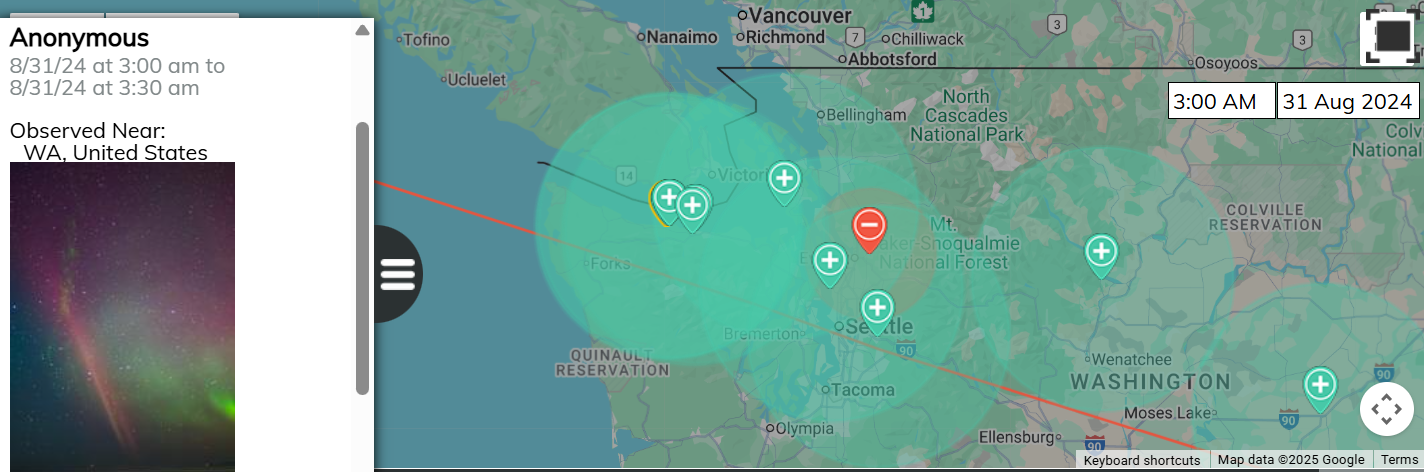
The importance of participatory scientists to the study of phenomena like STEVE cannot be underestimated; they would not be studied without you. Aurora chasers bring advanced observation and photography skills to aurora-related phenomena, discovering new features and gathering data on new discoveries that scientists are still learning about. We would love reports on any of the following:
- STEVEs with start and stop times, video or timelapse welcome, especially at very short exposure times. STEVEs and SAR arcs transitioning into one another would also be very helpful
- Auroral dunes
- Giant Blue Rays and other blue aurora
Filling the map
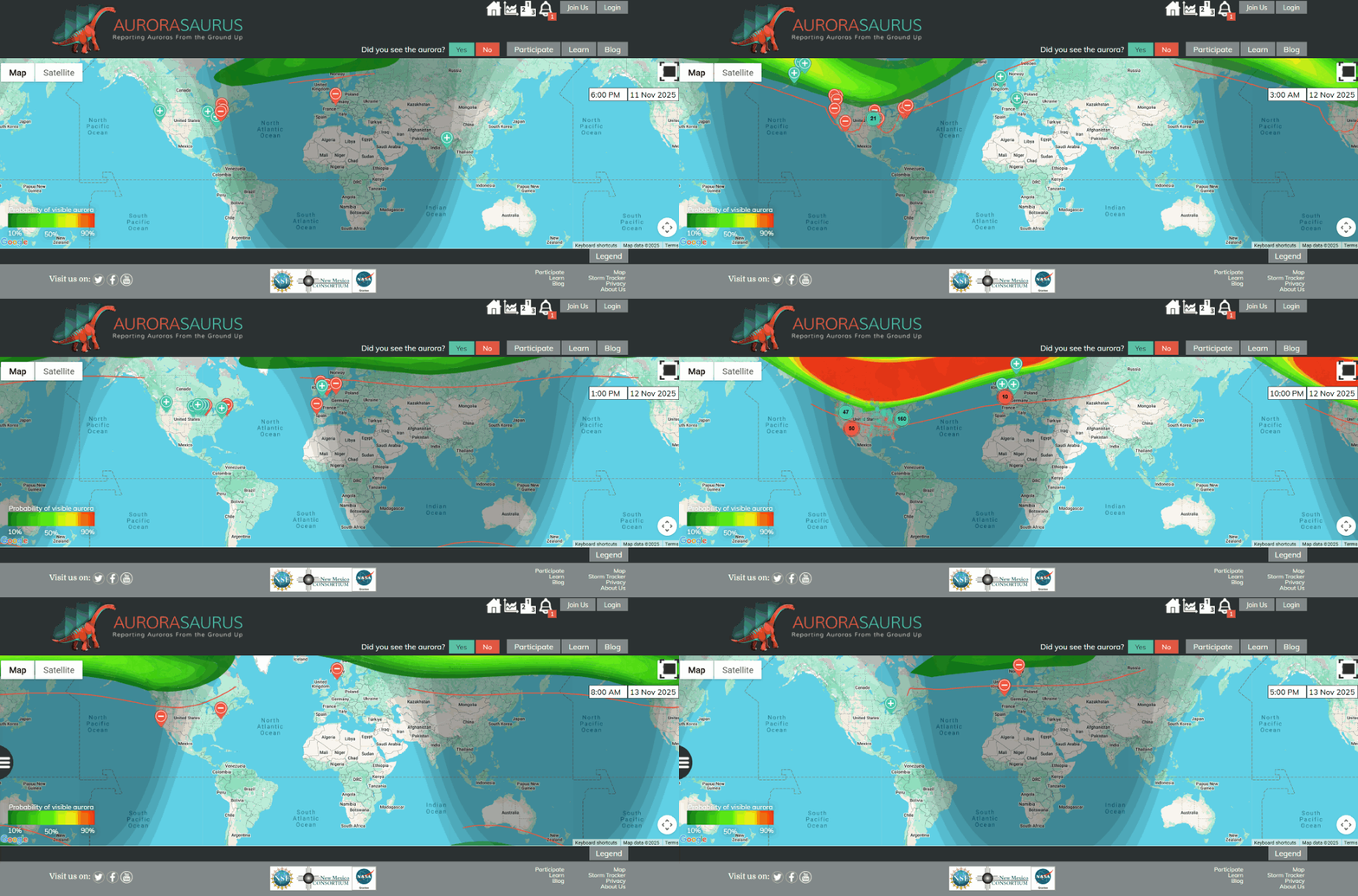
Participatory scientists are extremely agile, able to observe and report auroras from unprecedented locations and through less than ideal weather like patchy clouds. Reports of daily high-latitude auroras and substorms can be compared with other instruments on the ground and in space. In addition, high volumes of reports add detail to studying the aurora.
For example, Aurorasaurus uses a model called OVATION Prime to project a red “view line” onto the map. This line estimates where the aurora might be visible with the naked eye under relatively dark skies. Adding reports of what you see, which scientists call “ground truth” helps to validate and correct this estimate, helping scientists build better models. Participatory scientists can also note the stages of the auroral life cycle, or “substorm”, documenting important peaks of activity.
Combining experiential knowledge from aurora observers with scientists’ academic knowledge provides a more complete understanding of this beautiful phenomenon. Just by reporting (yes or no), you make a difference.
Some particular things we are interested in:
- Reports from the northern and southern hemispheres especially at or beyond the view lines
- Bright red aurora and/or visible SAR arcs in smaller events
- Short-lived auroral beads, which can indicate the elusive trigger mechanisms for substorms that cause aurora to dance and stretch a couple of minutes after they appear
Reporting tips
When making your report, a few things to please keep in mind:
- Keep the Start and Stop time of your report to three hours or less so they can be correlated more closely with varying activity
- Doublecheck that your camera time is accurate against your phone if using a DSLR
- When possible, unedited RAW photos are preferred, since editing can change colors and shapes in ways that don’t reflect the phenomenon as accurately
- Note #STEVE or other unusual types of aurora in the notes field
- In the Additional Comments field, please note the photo time, timezone, and if possible the direction you are facing (North, South, etc.)
- If you make a mistake, just create another report and note that it’s a correction in the Additional Comments field. Data are cleaned, and we’ll remove the incorrect duplicate during the cleaning process
- We also have a process to accept timelapses and videos. Please email us at aurorasaurus.info@gmail.com to learn more
Thank you!
When you attempt to see aurora and make a report, you agree to contribute to a scientific dataset that is publicly available and growing. There is aurora science that can only be done when we all work together, and we are grateful that you are part of this effort.
We also want Aurorasaurus to be helpful to you! Aurora chasing group administrators can be deluged with requests for identifications, and our platform can help admins sort observations by time and place, so that multiple perspectives of unusual phenomena can be more easily appreciated.
We also invite you to save the date and join us for our next Report-A-Thon, Saturday, Mar 7, 2026, 7-10 pm EDT (12-3 am UTC, which is Mar 8 at 12-3 pm AEDT and 2-5 pm NZDT) This is a live, semiannual online event, and we alternate timeslots to accommodate time zones. Keep an eye on our newsletter (make an Aurorasaurus account to receive it) for registration info closer to the time. We hope to see you there!


